

Luxury.
A quality commonly associated with multi-course meals, often with a price tag far out of any ordinary person’s budget. But what if there was an alternative, cheaper option that mimicked the same experience for a significantly lower cost?
I aimed to create one.
One month ago, I was scrolling on Instagram reels when I came across a cooking video. Intrigued, I watched on as a few college students recreated a gourmet multi-course meal for a small group of friends. The experience seemed magical, with the guests enjoying the food and experiencing something unique.
Seeing this, I instantly knew I had to recreate something similar, so I teamed up with my culinary partner, David Ci.
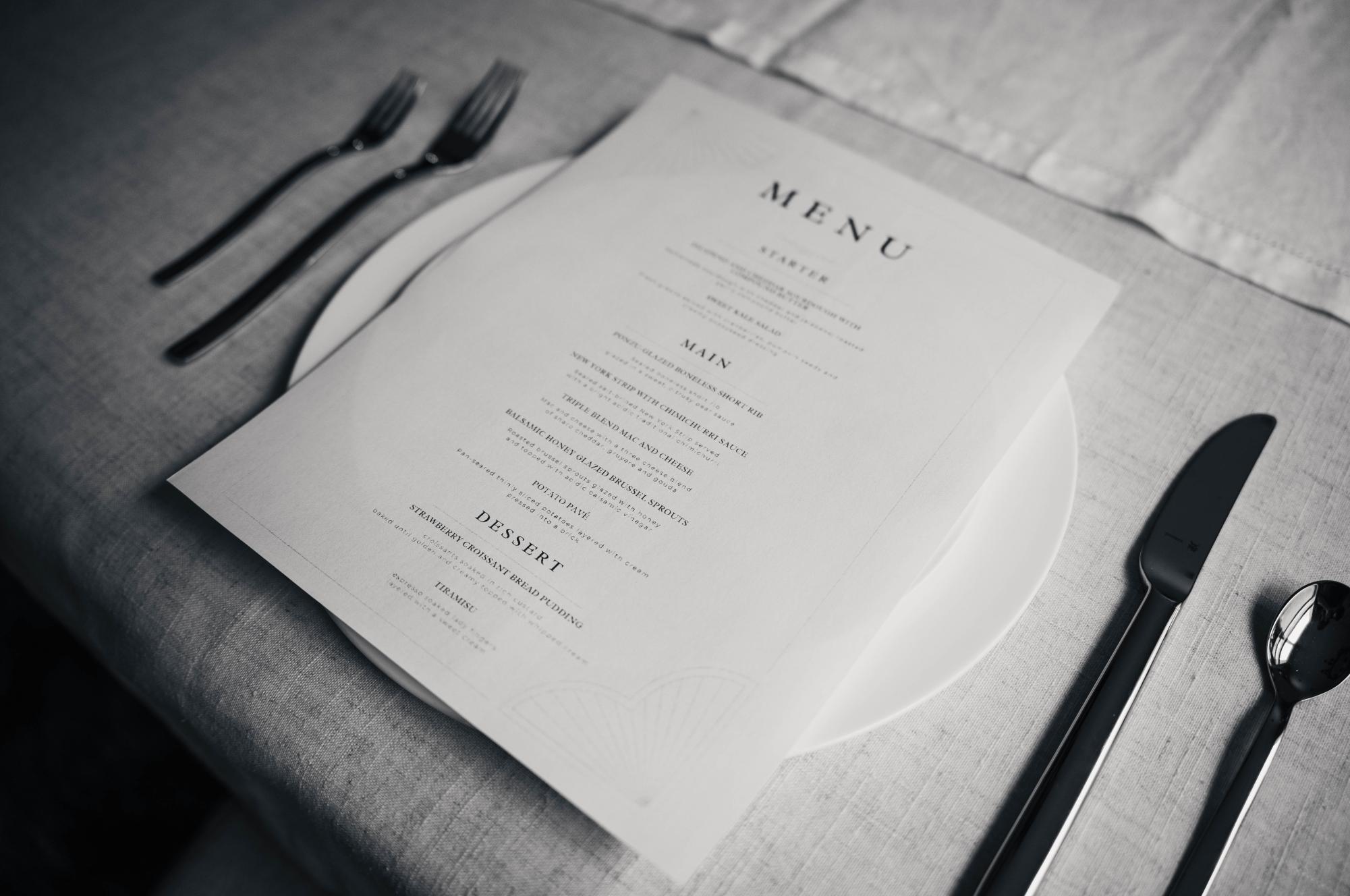
Our goal was simple: we would create a three-course meal for a few of our friends, including a starter, main course and dessert, with each guest paying $30 to front the cost. In the end, we created a nine-course meal, leaving us at a financial loss.
The simple appetizer that was supposed to be a salad evolved into a homemade cheddar and jalapeno sourdough with a sweet pear-glazed onion and roasted garlic compound butter served with a sweet kale salad (that we bought from Costco and spruced up).
The seared steak for our main course bloomed into a full experience by itself: a salt-brined New York strip, a ponzu-glazed marinated boneless short rib, a three-cheese macaroni and cheese, balsamic and honey-glazed Brussels sprouts and potato pavé.
The fruit tart for dessert was replaced by two contrasting desserts: a sweet, light and fruity strawberry croissant bread pudding and a rich, darker traditional tiramisu.
As the task ahead grew, we pushed our start time forward. Initially, we were supposed to begin prep on Sunday morning, giving us enough time to have everything ready for the dinner at dusk. Instead, we started on Saturday morning, realizing how much we would have to prepare and plan in advance.
DAY 1
STEAKS
We started with the steaks, as they would need to marinate overnight. For our ponzu short rib, we made a simple ponzu marinade combined with onions and garlic for aromatics. Setting our steaks inside, we allowed them to soak the mixture up overnight. The New York strip was simpler, only needing a salt brine to help tenderize the meat and improve the flavor as the cut was very lean.
TIRAMISU
Next was the tiramisu. The process was simple, identical to traditional recipes, albeit without the addition of chocolate liquor. We whipped the mascarpone, created a dip for the ladyfingers with espresso and carefully layered it to set overnight.
PAVÉ POTATOES
After five hours, I headed home, and David was left to finish that night’s prep alone. He sliced potatoes for the pavé potatoes and layered it carefully between butter and sauce before placing a weight on top to set overnight. This process would lead to a dense structure that would hold up when frying whilst maintaining its layers.
DAY 2
STEAK SAUCE, SOURDOUGH AND COMPOUND BUTTER
The next morning we started prep at 10 a.m., aiming to finish within six hours to have time for decorations and organization. We started by finishing the sauce for our ponzu steak.
We made a ponzu sauce with onions, crushed garlic, soy sauce, pear juice, brown sugar and, of course, ponzu, reducing until it had a slightly syrupy consistency. Then, after sautéing the leftover onion mix from the steak marinade, we combined it with some softened butter to form a garlic ponzu onion compound butter to serve with the sourdough. Originally, it was slightly clumpy since the onions had too much moisture, so we decided to let it chill so we could whisk it to improve the texture later.
BRUSSELS SPROUTS
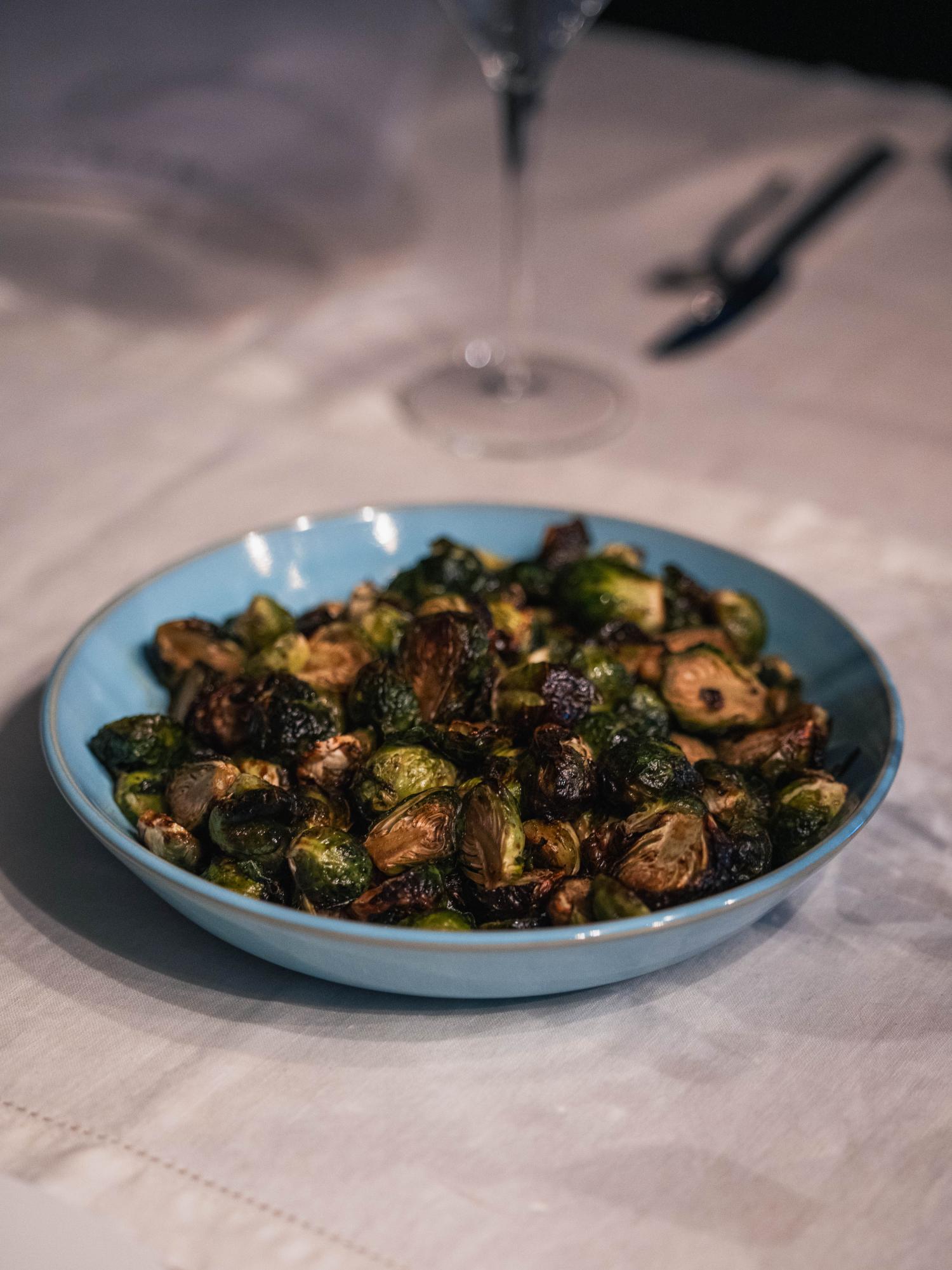
With the compound butter resting in the fridge, we started on the balsamic Brussels sprouts. We washed and sliced each Brussels sprout to expose the layers before air-frying until they were crispy at the edges. Then, we simply added some honey and balsamic vinegar and tossed until everything was coated.
As the majority of our smaller dishes were completed, I set out to work on the macaroni and cheese while David prepared the sourdough and bread pudding.
MACARONI AND CHEESE
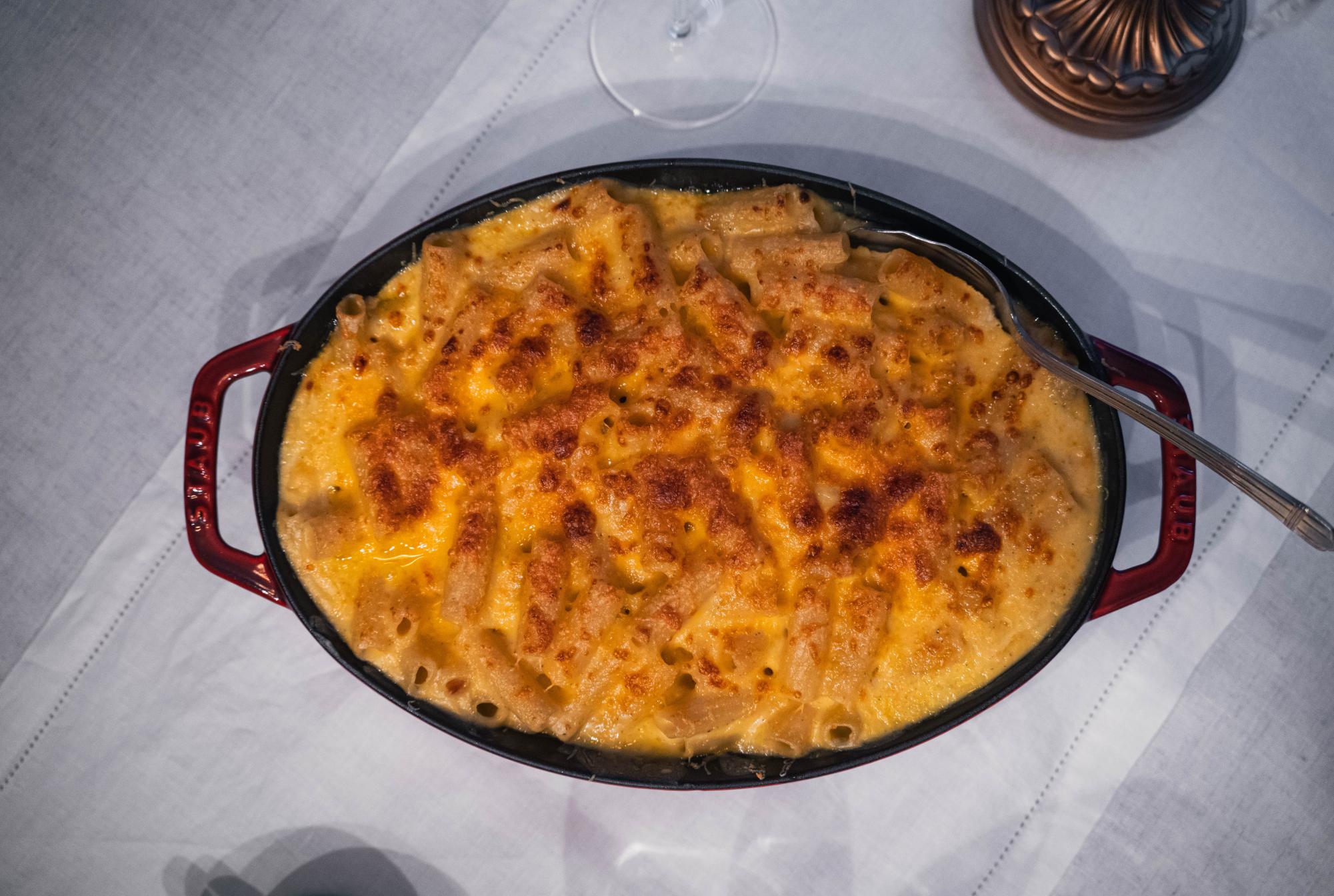
The macaroni and cheese was simple. I first made a roux by combining melted butter with flour before adding spices and a mixture of heavy cream and milk. As I waited for the sauce to come to a simmer, I started boiling the pasta. After the sauce began bubbling, I grated in our cheese mix: gouda, gruyere and sharp cheddar. The cheese melting filled the room with a rich aroma. I then layered the pasta and sauce in a deep pan to make sure everything was coated. For the finishing touch, I grated some extra cheddar on top to broil and develop a deep brown crust, leaving the dish in the oven to stay warm.
BREAD PUDDING AND SOURDOUGH
To start, David took out the sourdough, in which he had added cheddar and jalapenos, to proof in the warm oven with a makeshift proofing box.
Afterwards, he cut a few croissants into bite-sized pieces for the base of the bread pudding. Then, after combining half-and-half, sugar, vanilla extract and eggs to create a custard, the croissants were layered with sliced strawberries in a baking dish. To finish, the custard was poured over the bread, allowing time for the croissants to absorb the liquid.
STEAKS
First, I worked on the New York strip as it was a significantly thicker cut that would need more cooking time. Specifically, it needed to be reverse-seared.
I popped the steaks into the oven to cook evenly and ensure the center was cooked adequately before I brought them outside, since the smoke and oil splatter were too much to deal with indoors. I seared them with the ponzu steaks until an internal temperature of 120 Fahrenheit, a perfect medium rare. To ensure a good crust development, we used a brick wrapped in foil as a makeshift steak weight, a heavy object used to press the steak into the pan to get an even sear, before taking the steaks out to rest.
PAVÉ POTATOES
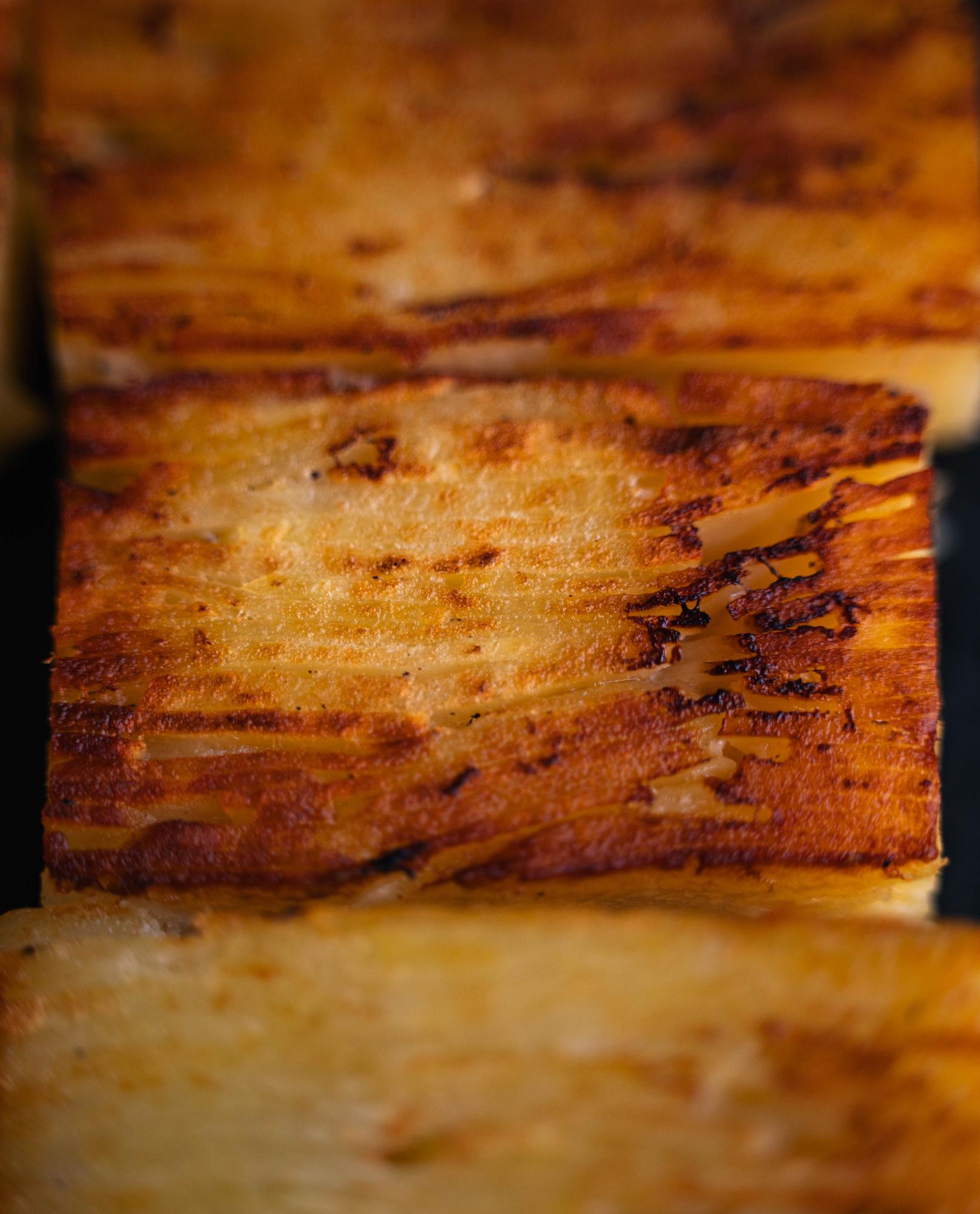
Taking the layered potatoes out of the fridge, David trimmed away the sides to form small rectangles before shallow-frying, carefully flipping to ensure the layers did not come apart. After browning, they were taken out of the pan onto paper towels to absorb excess oil and to hit it with a pinch of salt.
SOURDOUGH
After the dough had risen, David folded the edges under itself to form a loaf shape and scored the top to ensure a good oven spring and to control the expansion in the oven. Then, he placed the dough between two cast-iron pans to ensure even browning and put the dough into the oven.
SWEET KALE SALAD
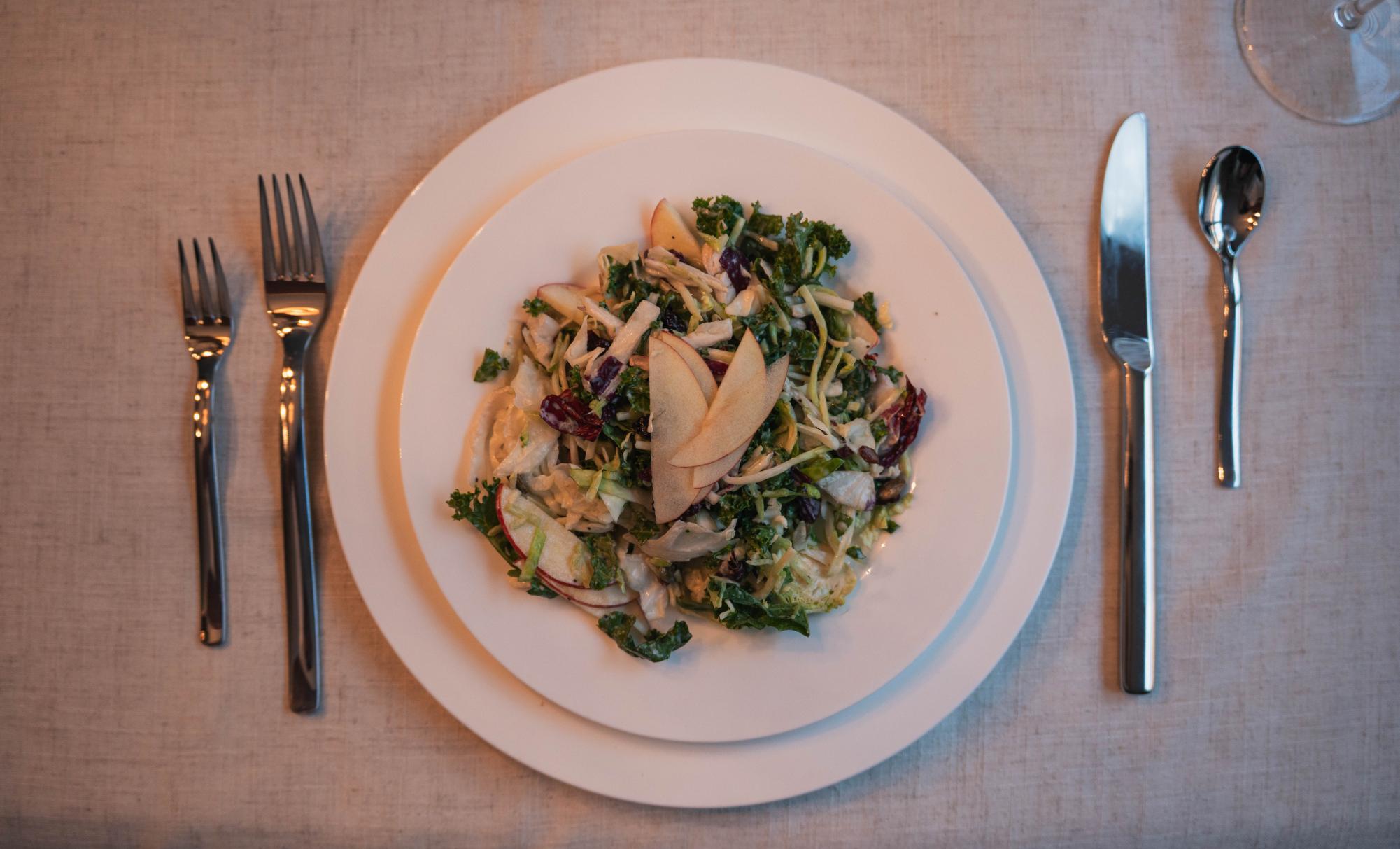
With the guests nearly arriving, I began mixing the salad while David thinly sliced a few apples for garnish on each dish. The salad had a light creamy poppyseed dressing, giving the salad a subtle sweetness.
BREAD PUDDING
Taking the macaroni and cheese out of the oven, we replaced it with the bread pudding to cook the eggs within the custard and reduce the liquid, giving the custard a thicker texture, allowing it to stick to the bread. To do so, we left it in the oven for around thirty minutes, until the pudding was firmer and had less of a wobble when we shook it lightly.
STEAKS
David and I began slicing the steaks, which had rested for 15 minutes by now, into pieces around a third-of-an-inch thick and layering diagonally on a plate to expose the cross section. After reheating the sauce slightly, we brushed the steaks generously, making sure to coat every part of the ponzu steak.
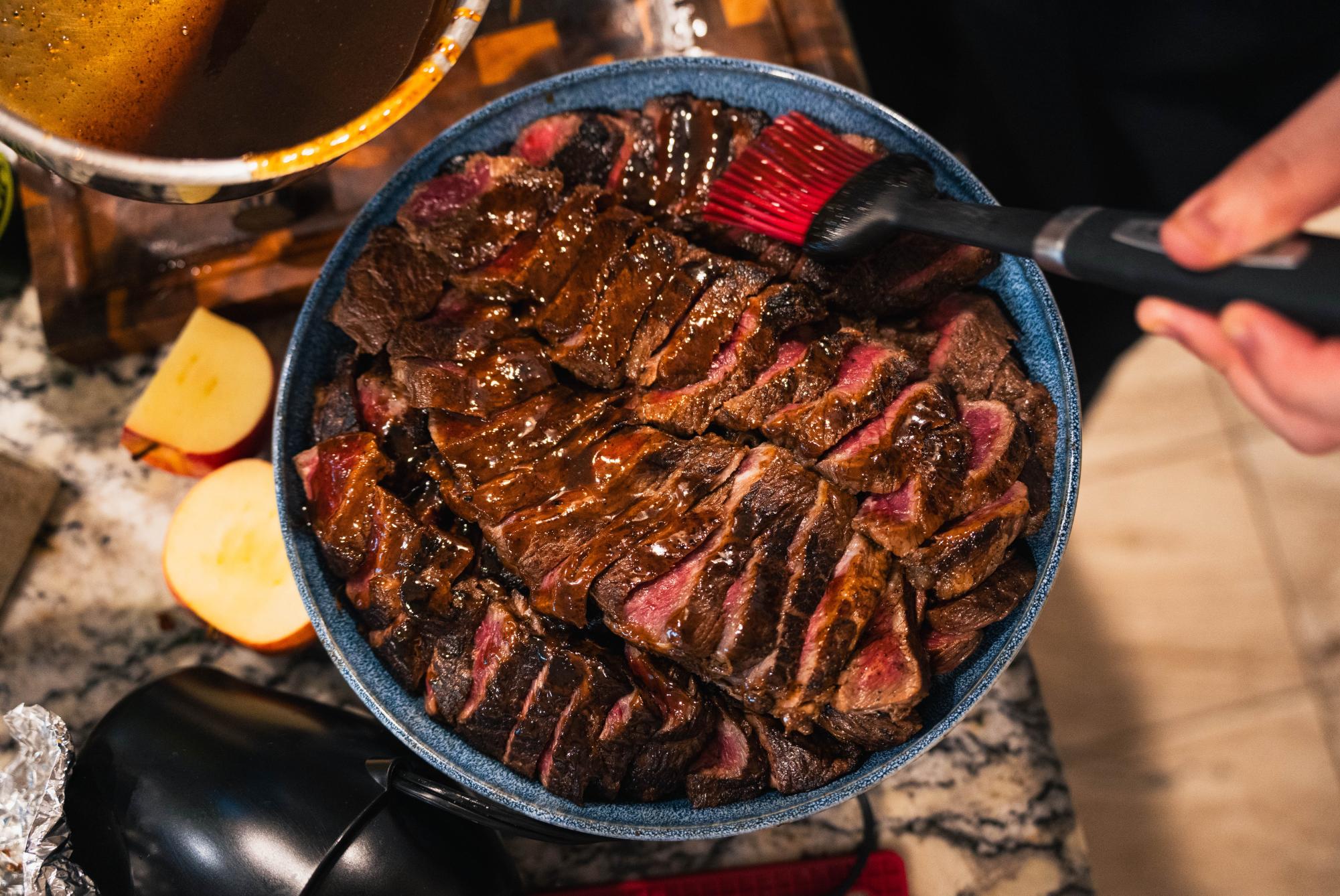
While we originally intended to make a chimichurri sauce for the thicker New York strip, we opted to forgo the sauce as we judged it wasn’t necessary enough to spend the extra time preparing it, of which we had very little.
BANQUET BEGINS
At this point, the guests arrived and as I greeted and led them to their seats, David took out the loaf of sourdough and sliced it, bringing it out alongside the compound butter.
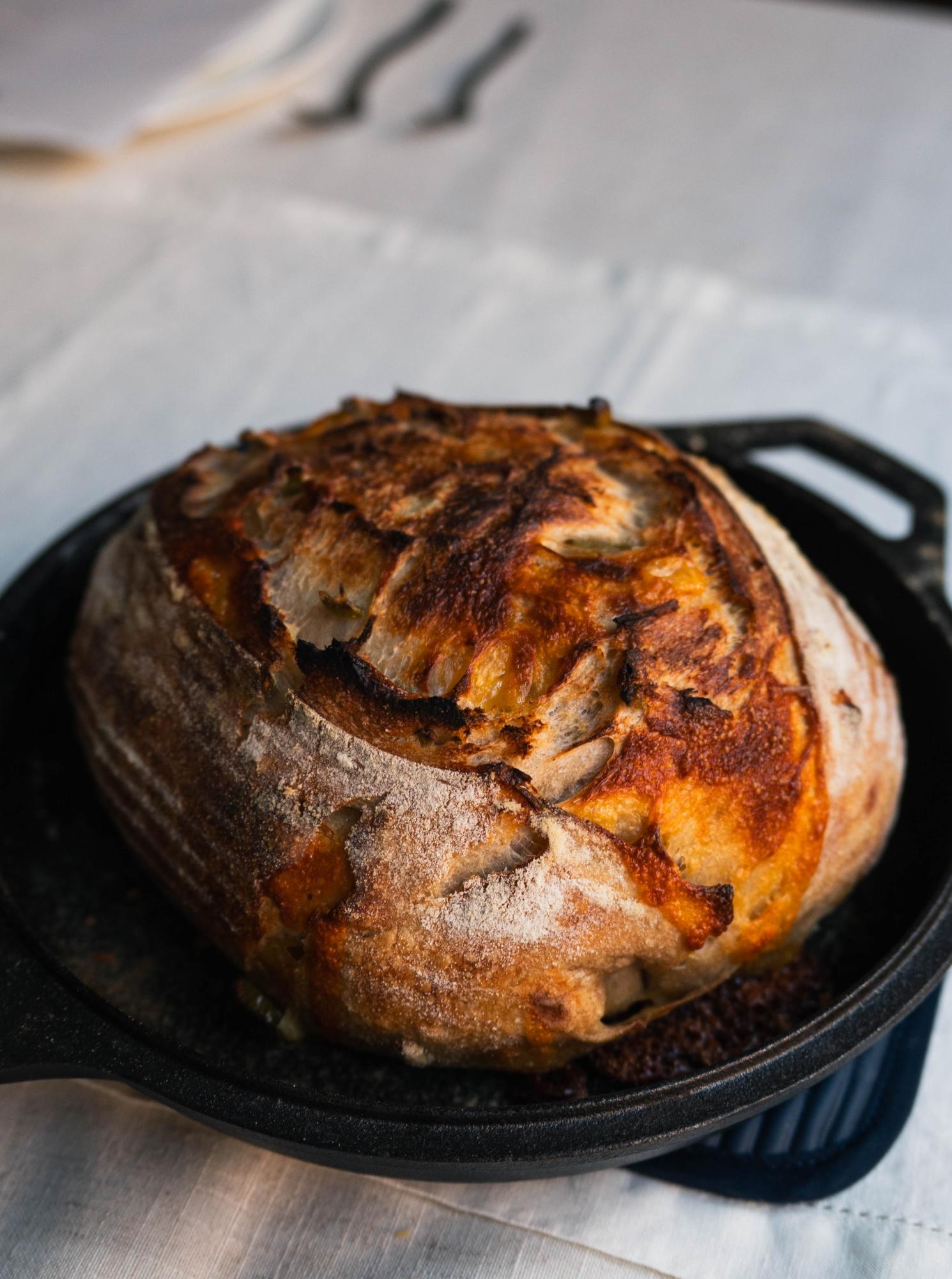
The first course was met with surprise as the guests, including senior Palmer McNulty, voiced their approval.
“The sourdough was amazing. It was airy and fluffy on the inside while the crust had a nice crunch to it,” McNulty said. “When I paired it with the compound butter, it added a slight sweetness to the savory bread and easily became one of my favorites of the night.”
As the guests introduced themselves to each other whilst sharing the bread, David and I began plating the sweet kale salad, topping it with the sliced apples from earlier.
After the guests had finished with the appetizers, David and I took turns introducing the main courses as we brought them out. First, the macaroni and cheese with a crispy layer of cheddar cheese on top.
Next, the balsamic and honey-glazed Brussels sprouts and pavé potatoes.
And lastly, the two steaks.
The steaks were by far the highlight of the main course for our guests, with guests such as senior Preston Lew often preferring one steak over the other.
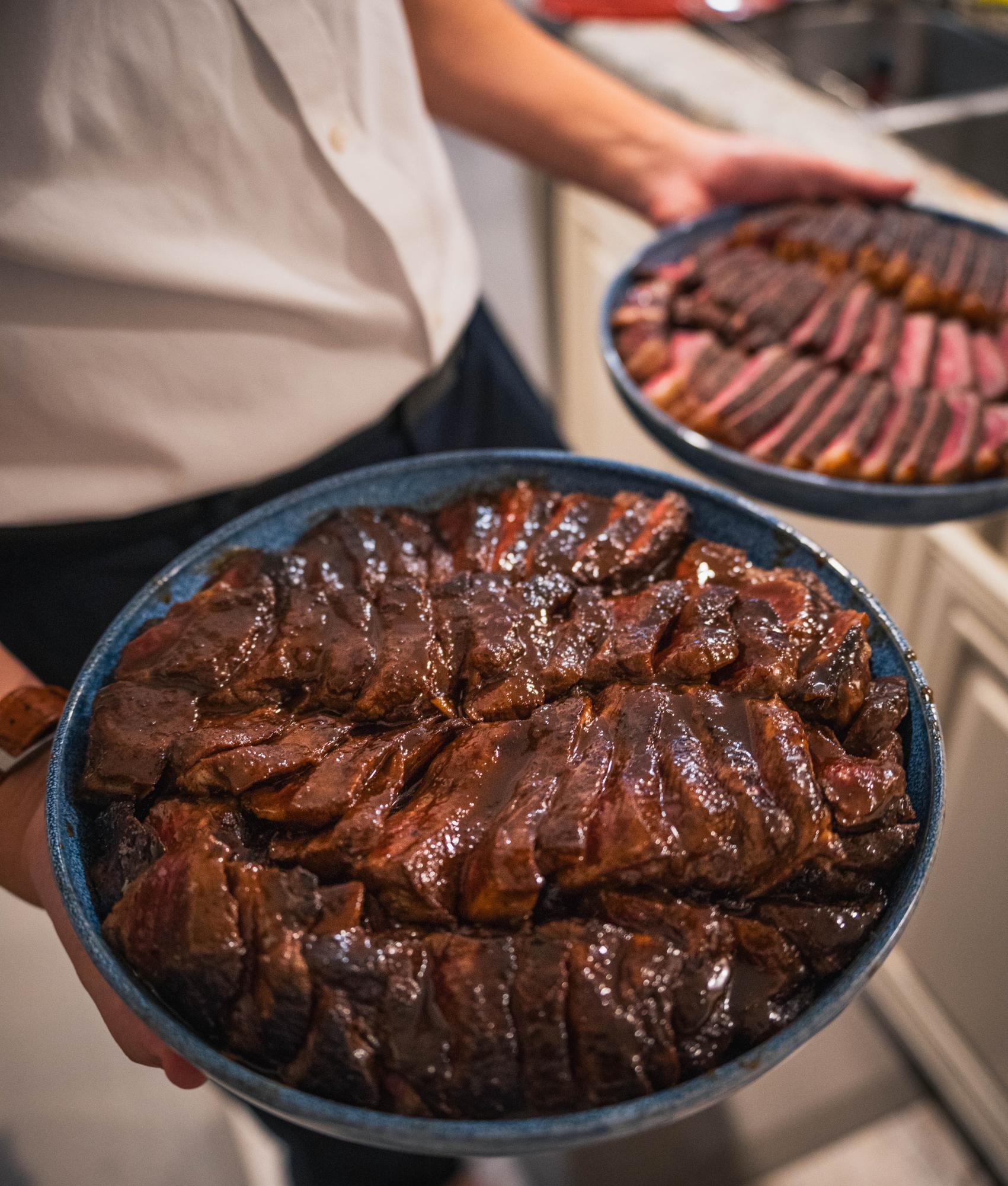
“I definitely preferred the ponzu steak over the New York strip,” Lew said. “I just felt like it was a lot more tender and flavorful. The other steak was good, it just didn’t have the same impact.”
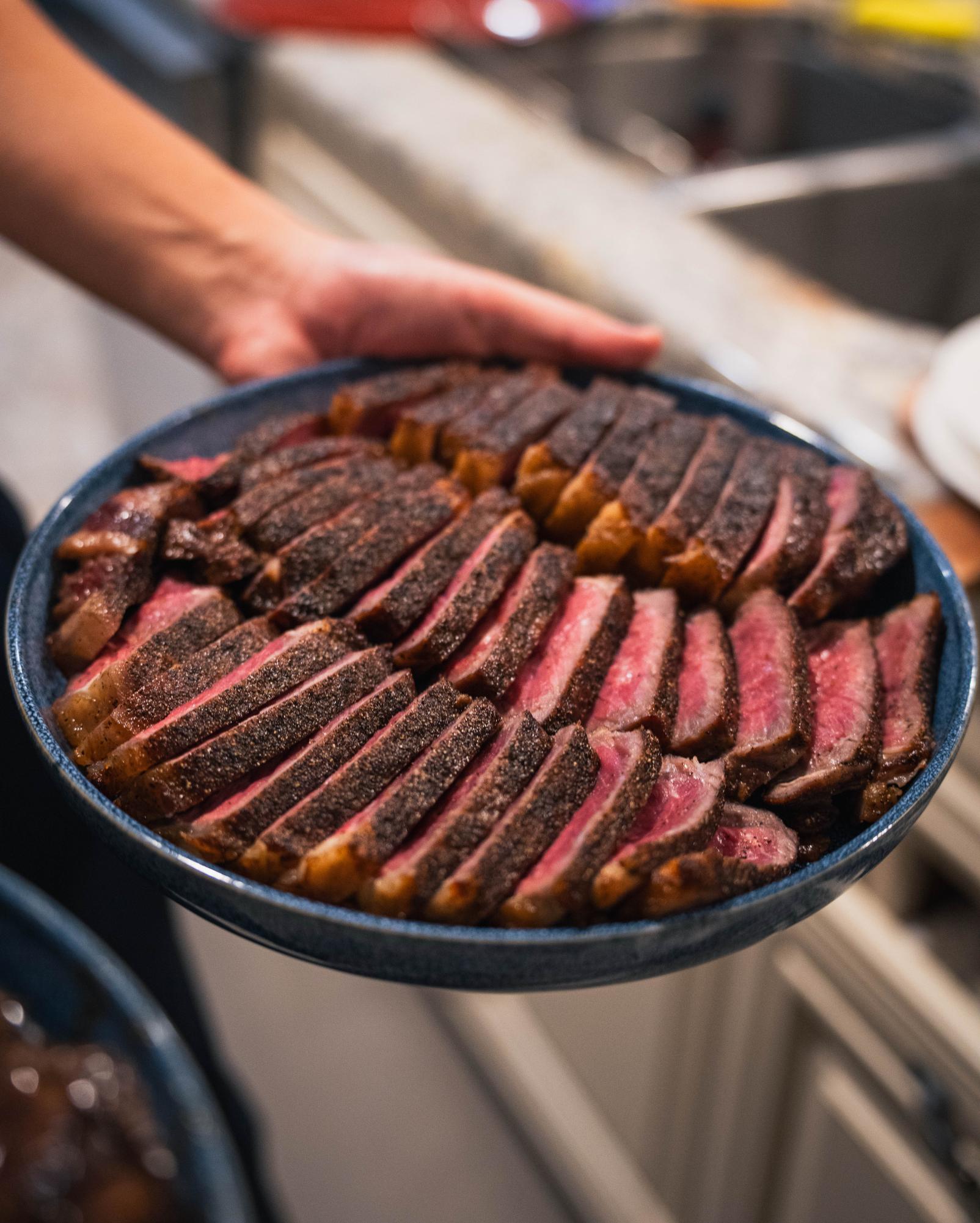
While the steaks stole the show, the side dishes received positive feedback as well.
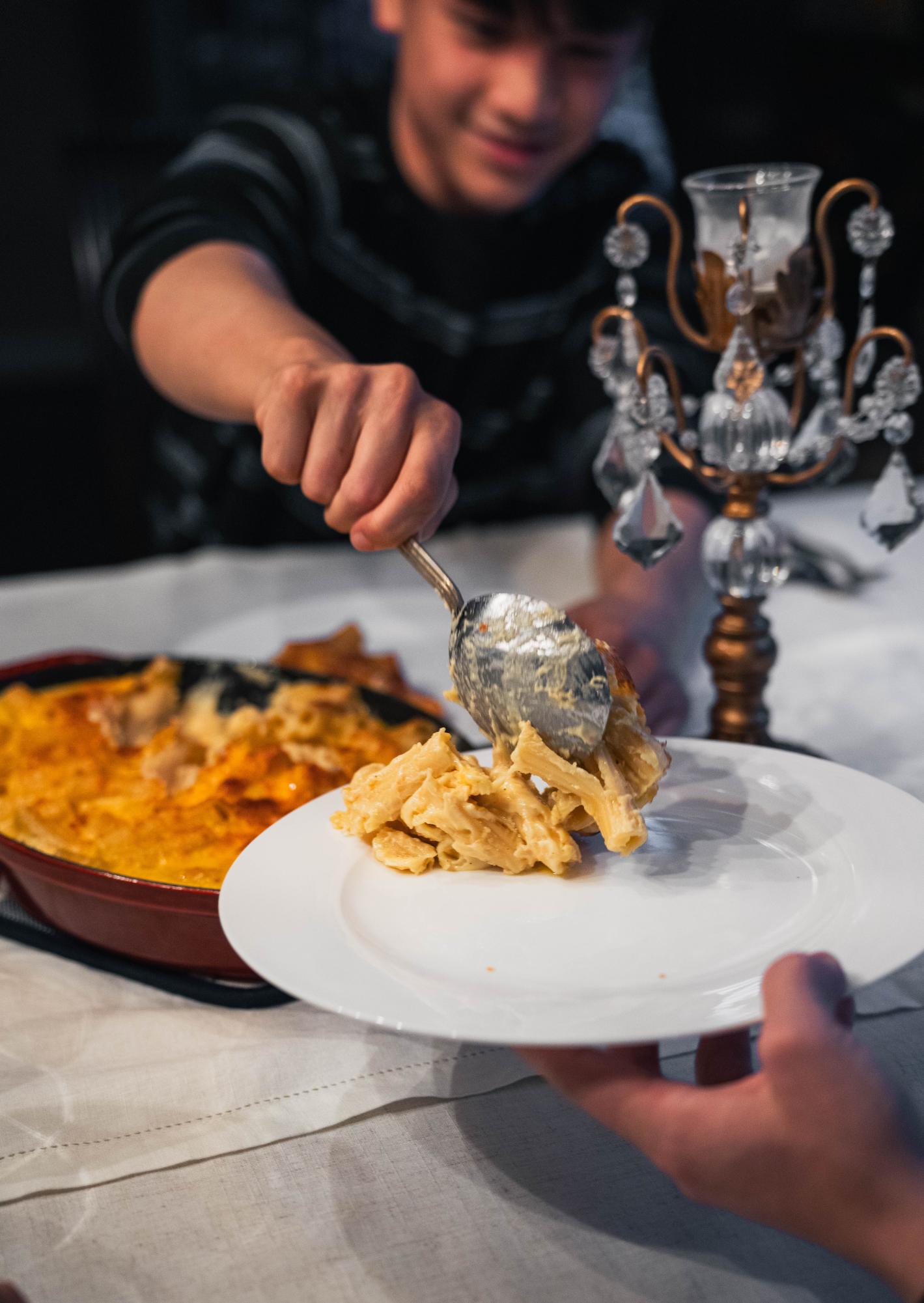
“I really enjoyed the mac and cheese,” McNulty said. “It had a really strong and punchy flavor that was really great paired with the ponzu steak because of how rich the cheese sauce was.”
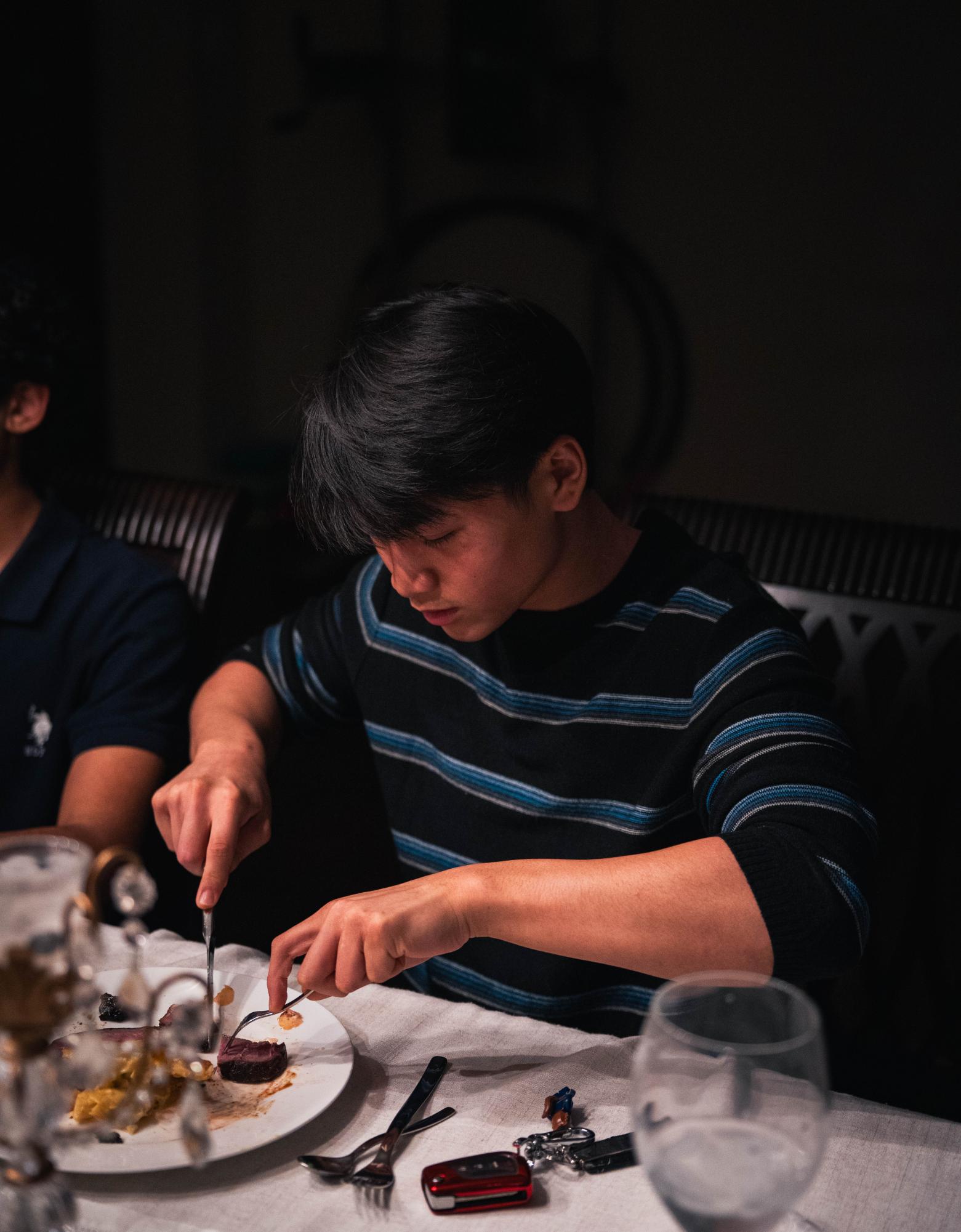
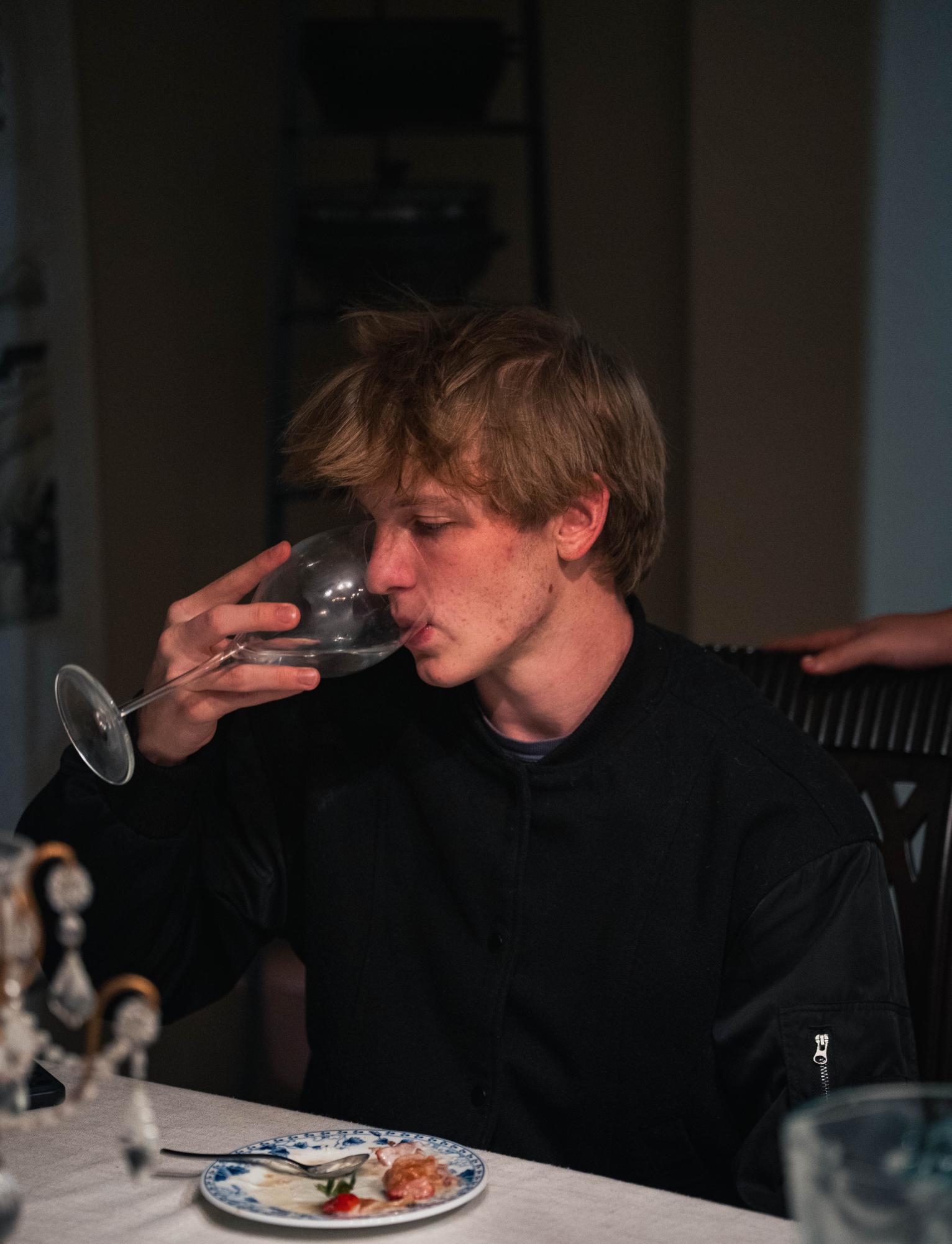
After giving the guests time to enjoy the main courses, we prepared to present the first of two desserts, the tiramisu. We brought the large tray out and stopped at each guest’s seat to plate in front of them, scooping out a large spoonful onto their plate.
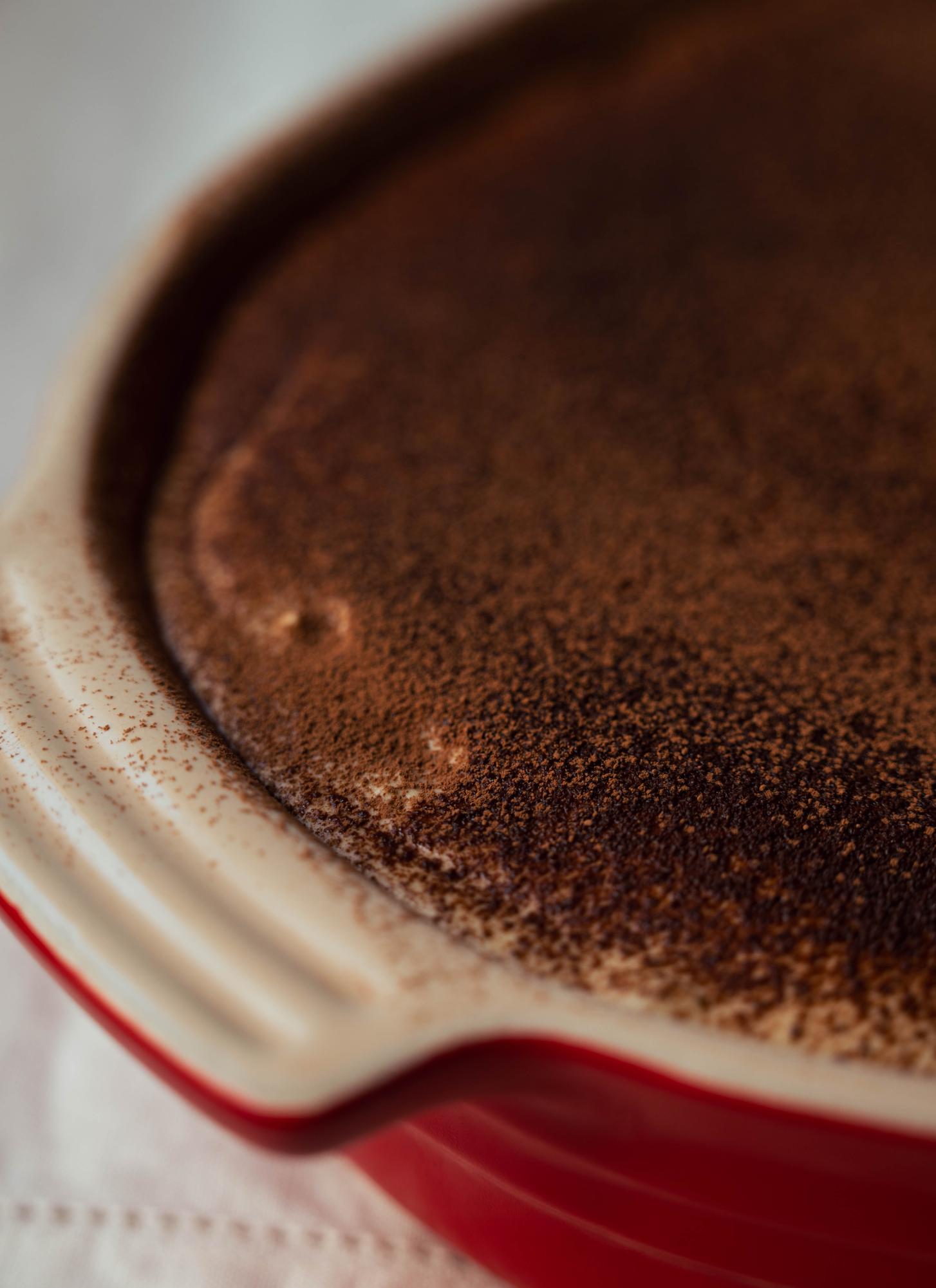
“The plating was intentional not only for some guest interaction, but also because it was just easier to do,” Ci said. “We wanted to sort of replicate the viral tiramisu scooping trend from Instagram at home while still cutting down on the number of dishes we had to clean.”
The tiramisu also served as a slight break in the decadent courses due to the slight bitterness from the espresso and cocoa powder cutting through the rich custard and preparing guests for the next dessert.
“The tiramisu was nice not only as a stand-alone dessert, but also because it helped break through the rich main courses,” Lew said. “The espresso was really strong, so it didn’t feel like I was eating too much sugar, which helped with my appetite.”
As the guests finished their tiramisu, David and I began plating the bread pudding, scooping each serving onto a small dessert plate and garnishing with whipped cream and a fresh strawberry. When we finished, I worked on collecting the guests’ plates while David introduced and gave out the plates of bread pudding.
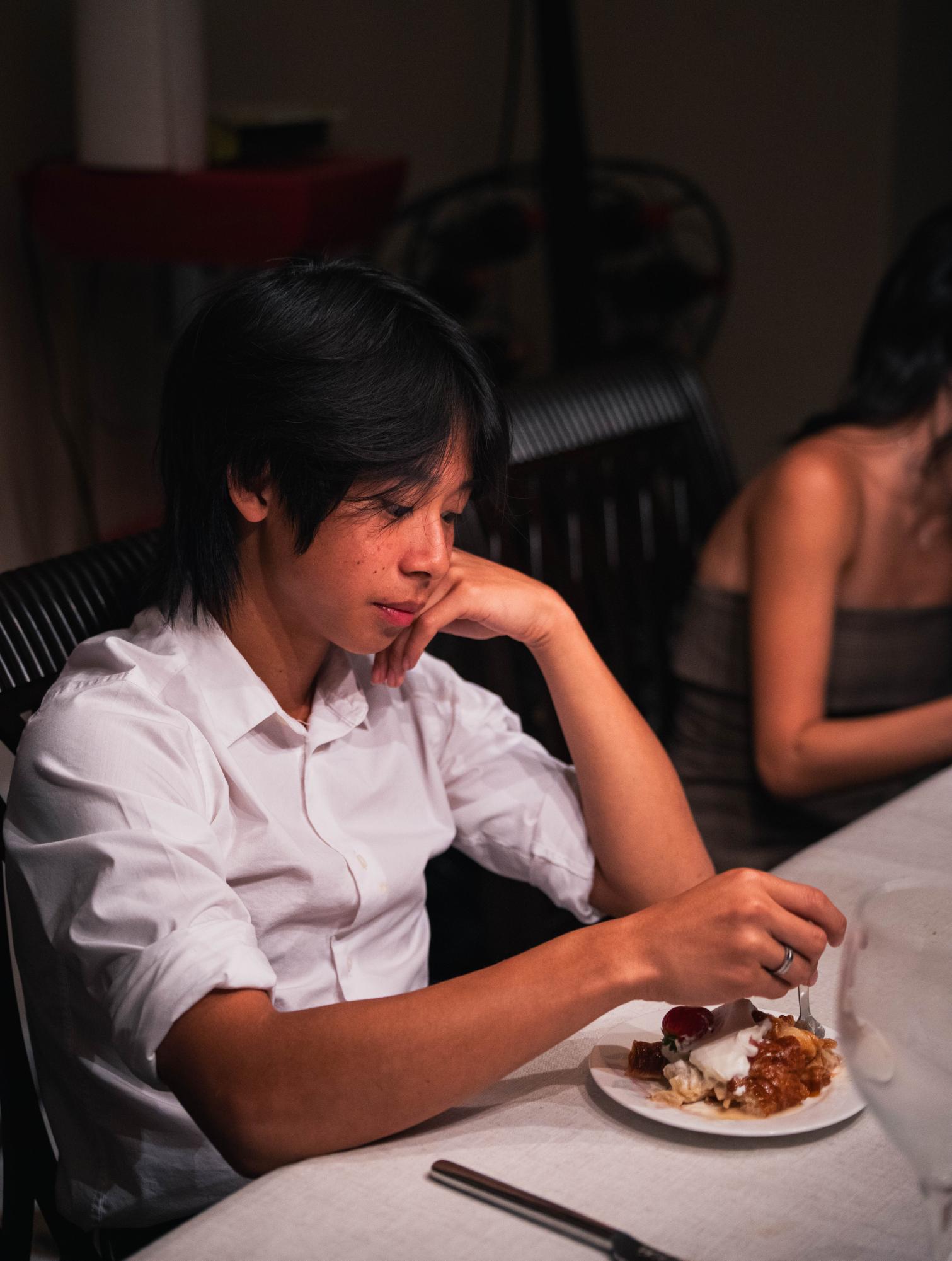
The pudding had a bright fruity accent to the rich custard, which at this point had thickened slightly. However, McNulty enjoyed it for another reason.
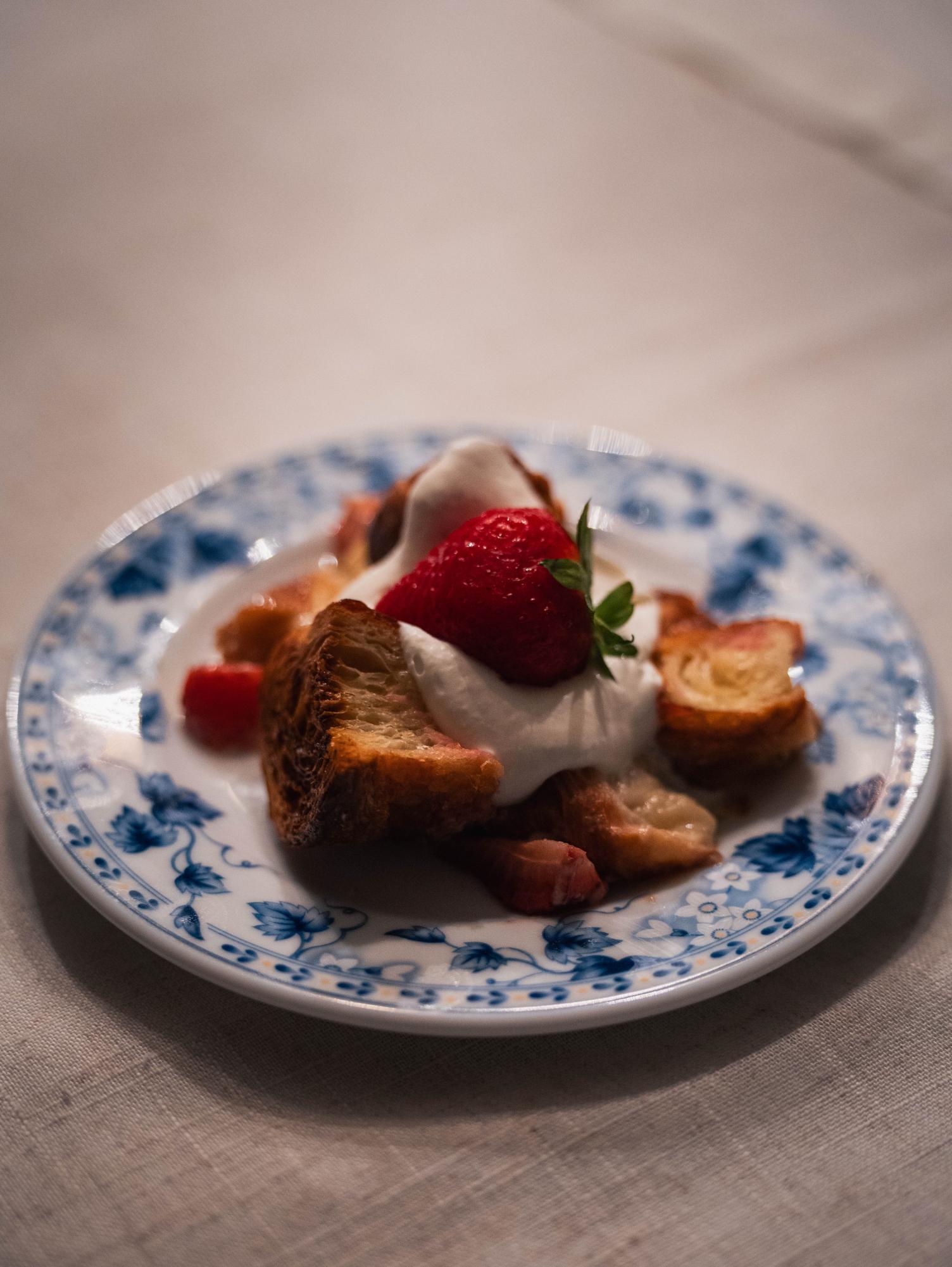
“The croissants in the bread pudding were my favorite part,” McNulty said. “Normally a bread pudding uses regular slices of a loaf, but the croissants in this dessert created a bunch of pockets for the custard to soak into, giving each bite a burst of flavor.”
With the final dish out and quickly being finished, the night began to draw to a close. After collecting the guests’ empty plates and a bit of socializing, the guests began to leave.
FINAL THOUGHTS
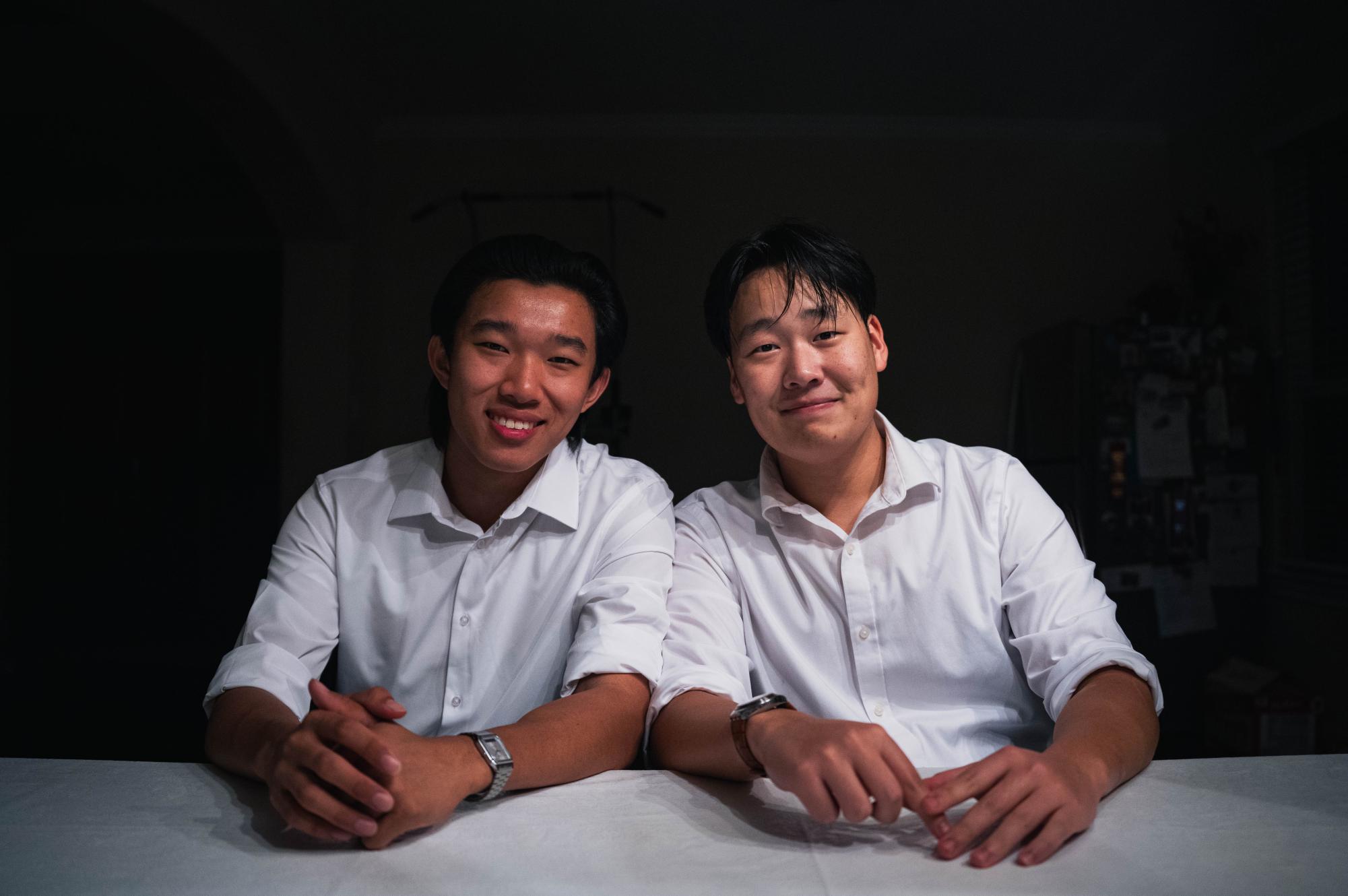
David and I had done it.
We managed to prepare and coordinate a nine-course banquet for a group of friends, and as tired as we were, we felt absolutely amazing.
“This was definitely one of the hardest things Keith and I have done,” Ci said. “Normally we settle for one or two dishes, often with some overlap to streamline the prep process, but this time we did something bigger and more adventurous, and the result shows.”
The hardest part of the process was the various timelines for the dishes we had to keep track of simultaneously. Managing each component of each dish to ensure they would be cooked before the guests arrived while keeping them warm was truly difficult.
However, even though the prep work was difficult and the cooking hectic, I believe the banquet was a worthwhile endeavor. While I wouldn’t suggest something quite this scale to anyone without proper planning, I believe students could do something similar, especially with Bellaire’s diverse student body and various culinary-based clubs. The true value of the banquet wasn’t the food, it came from the interactions between the guests.
“While the food was amazing, I think what made the experience so magical was the atmosphere the banquet created,” McNulty said. “Getting to meet people from different backgrounds over a nice meal was amazing. Everyone felt so friendly since we all knew at least one person there, creating a web of connections.”
Whether it be a single dish or a potluck, food can help strangers form bonds, starting friendships and creating ties between otherwise isolated communities.




Alia Hassan • Dec 2, 2025 at 3:54 pm
Amazing story Keith!