

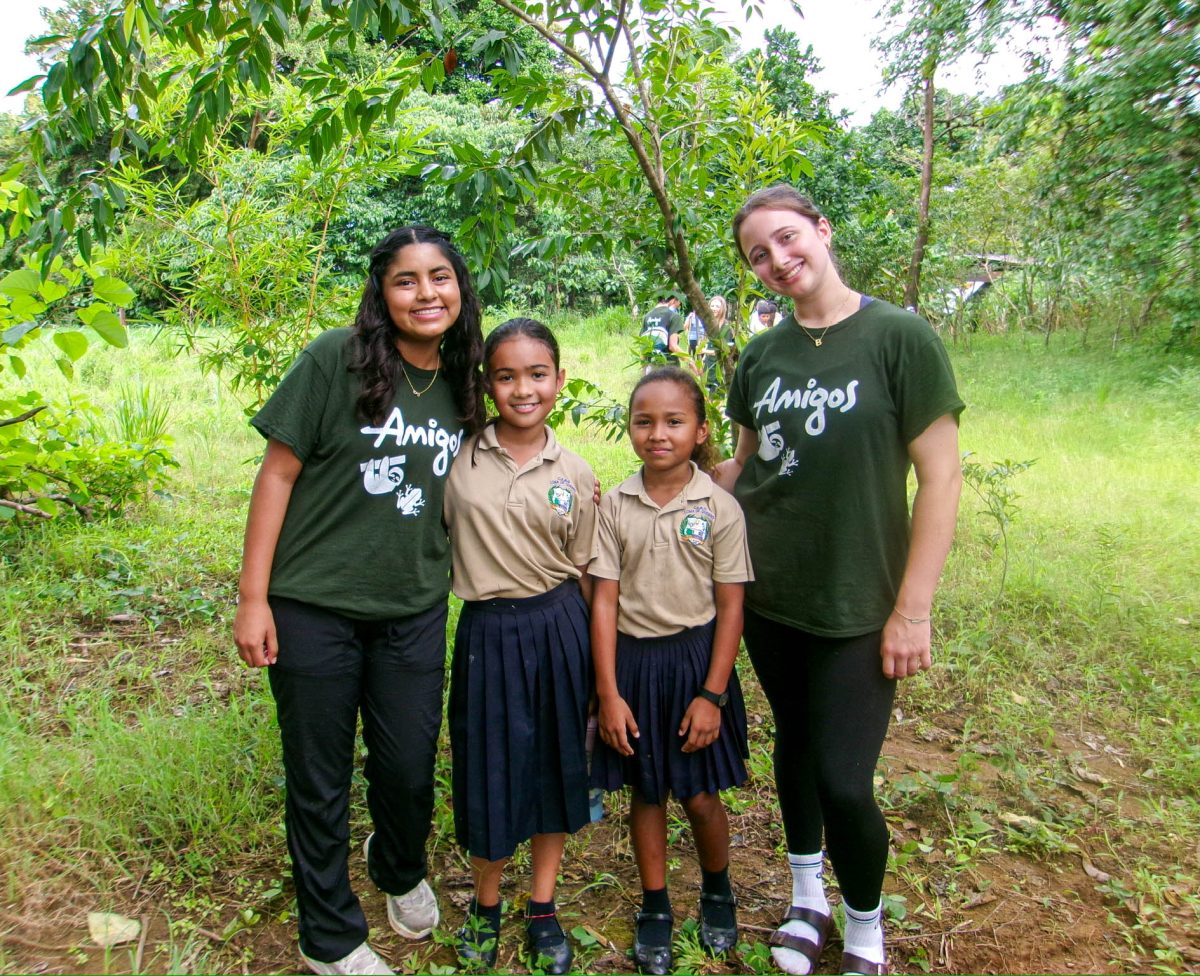
Sophomore Belen McClain has always had a love for Latin America. Seeing it littered with washed-up trash from all over the world only strengthened her desire to travel south of the U.S.
The initial spark for McClain’s journey to Latin America began with her aunt, who did the same volunteer program with Amigos de las Americas.
“My aunt did the same program when she was in high school. She went to Oaxaca, Mexico,” McClain said, “But Bellaire also has a huge connection to a lot of volunteering and study abroad programs, so the idea came from being at Bellaire and the exposure my family gave me.”
A Spanish learner for the past few years, McClain wanted to accelerate her language learning through an experience that would force her out of her comfort zone.
“I wanted to do something that would fully immerse me in a different culture,” McClain said, “Through Amigos, you don’t have a lot of access to English speakers when compared to other programs — this honestly creates a better learning experience and allows for more comfortability speaking a new language.”
Nyala Solomon, another volunteer and friend who went on the same trip and training sessions as McClain also gained valuable experiences. The training occurred prior to the three week program and gave participants needed information regarding the lifestyle they would be leading, protocols and future summer trips with Amigos.
“My experience with Amigos was truly incredible. Training was especially meaningful because it connected me to Belen,” Solomon said. “We got to catch up before every meeting, learn more about our summer trips and explore how we could make a real impact. I am so grateful for this journey and for how it brought me even closer to Belen.”
The rural parts of Panama were a different world for McClain — an environment where leisure was encouraged. McClain was in a homestay, where she lived in the home of a local family in Mata Oscura.
“The way people sit down to just observe was one of my favorite parts,” McClain said. “People work to live and not live to work. The U.S. differs in that it is really fast-paced and you don’t always get a chance to breathe. You truly live an alternate life when volunteering abroad.”
Gwenyth Pewthers, another friend of McClain’s, learned about rural Panama through the lens of McClain’s stories about volunteering.
“It seemed like a very positive experience for her and the community of Mata Oscura,” Pewthers said. “The volunteering activities were definitely something she was really passionate about.”
This new environment showed her new facets of living — from taking a shower with a bucket and using cleaning drops for water to exploring the unpaved roads, she was captivated. The close proximity to the ocean and history of Panama also continuously fulfilled McClain’s aspirations of absorbing the community around her.
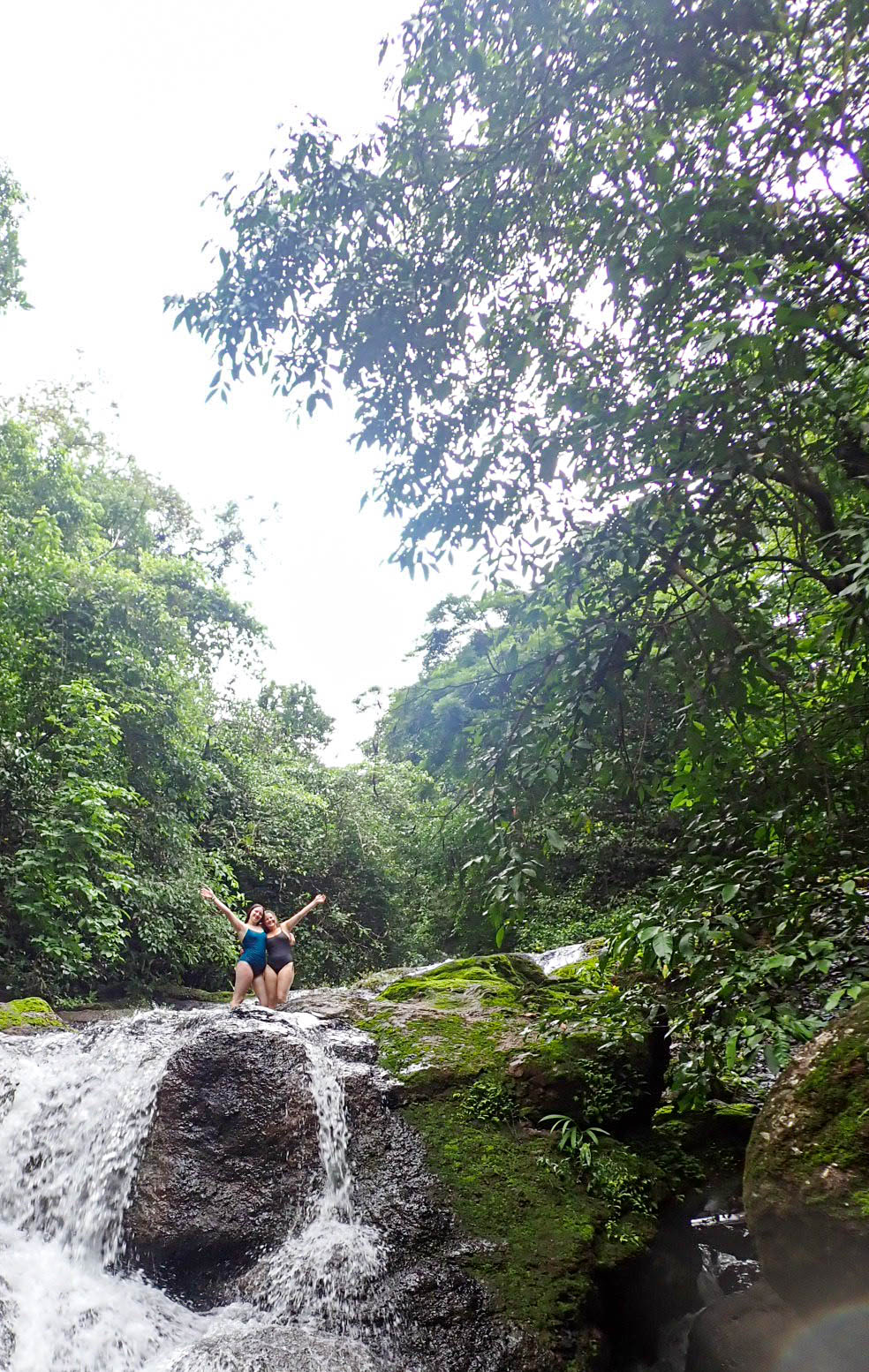
“The town I was staying in was in an inlet — you could go on the rocks and look over the sea,” McClain said. “I can’t even describe how freeing it felt. We also got to see both the old and new Panama City. I think the most important part was learning about trade through the Panama Canal and the encouragement of commerce, as Panama is such a unique global exchange hub.”
Production and exchange comes with its downsides, with one of the most prevalent being the copious amount of garbage — 336,000 tons have ended up in landfills. Most of the plastic waste came from other countries.
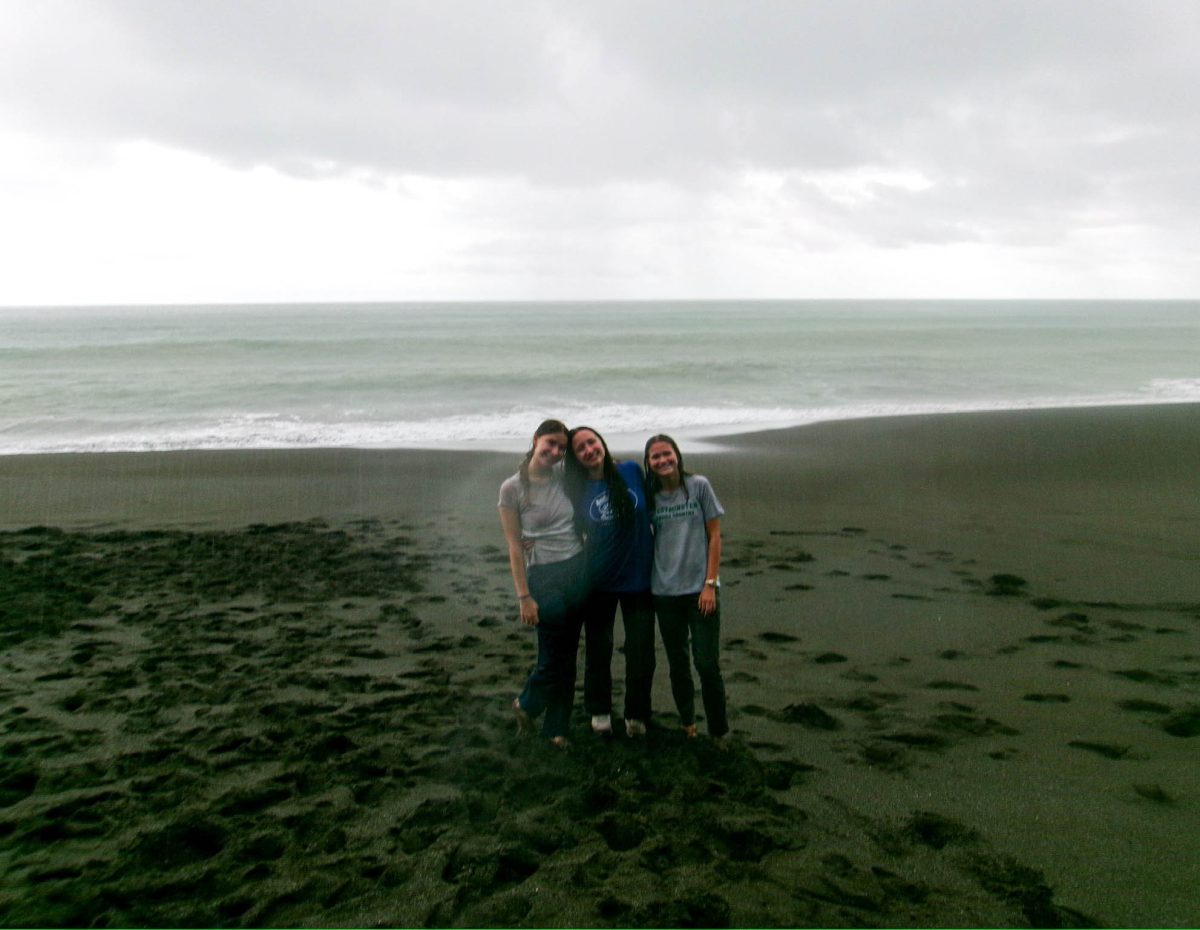
“The people living in Panama care very much for the ecosystem around them,” McClain said. “A lot of the trash wasn’t even from them. There were bottles from Japan that ended up on the shores. I think this just shows how the world is trashing our ecosystems. The locals reacted with initiative by making an effort to better the earth.”
Looking at the garbage was “disheartening” for McClain, but it also facilitated her desire to leave a lasting impact.
“Seeing the outcome of our carelessness really compelled me to make a change,” McClain said. “It reflected what we wanted to see not only in Panama, but also globally. I want to see real attempts — so many people say they want to help, but don’t. Without putting words into action, we’re not going to make any change.”
Marine life holds a fundamental role on Earth, but the population of these creatures has been decreasing for the past 20 years. Coming face-to-face with the damage being done to the habitats helped McClain become more knowledgeable.
“I think being able to physically see how much damage our actions have caused instead of just being told about it really opened my eyes,” McClain said.
Trash collection beautified the beaches and provided a safer space for sea turtles to lay their eggs. However, plastic wasn’t the only factor harming the eggs.
“We did sea turtle night walks to look out for any freshly laid eggs,” McClain said. “We would then build these enclosures where we would put the sea turtle eggs so that they’re kept safe. This helped with population growth, since there was a huge problem with wild dogs eating the eggs.”
McClain and her fellow volunteers also worked with the community to add to its infrastructure, rather than forcing change.
“We were focused on enhancing aspects of the community rather than altering them,” McClain said. “People weren’t able to see the buildings easily, so we went over the structures with fresh, brighter paint.”
McClain had built a temporary home with her peers and host family while abroad, which made the goodbye bittersweet. Each contribution made was a step toward a healthier future.
“We are helping our world,” McClain said.


Ishani • Feb 22, 2026 at 6:00 pm
Aww such a cool unique feature, Kristine!!
Alav • Feb 3, 2026 at 2:14 pm
yay Kristine and yay Belen!