

They told her that she wasn’t what a Black person is “supposed to be.”
That’s what junior and second-generation immigrant Abella Surafel heard from Black Americans, in regards to her heritage.
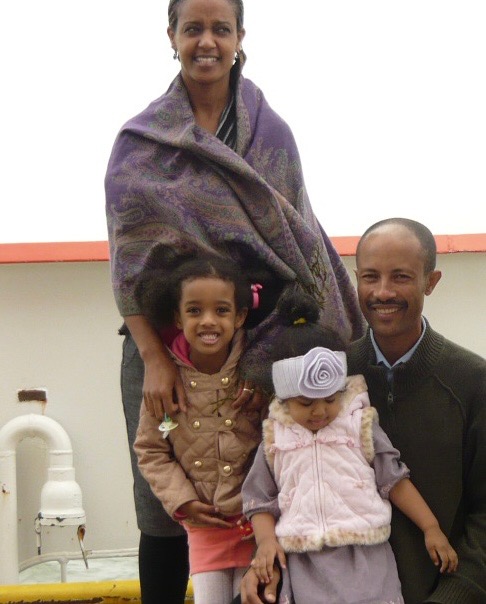
Surafel’s mother, Roman Yirga, made the voyage from Ethiopia to the United States in 1996, joining a relative in Houston while leaving everything else that she had ever known behind.
“When I came here, it was like a kind of lottery,” Yirga said. “You could fill out a form, and then if you were chosen, you could come with a green card. When I came here, I was thinking I will go to school, and then I will make money, get a job and then help the people who live back home.”
However, Surafel’s father had a more difficult time immigrating, struggling with the process of attaining a spouse visa. With age, Surafel’s eyes have been opened to the United States’ immigration system.
“My parents came here before I was born, so I didn’t know a lot about how people immigrate here and how they’re treated,” Surafel said. “I think that it’s rather difficult to get here, and I don’t necessarily understand why, especially as a country that was founded upon people who came here to escape religious persecution.”
This past summer, Surafel took a trip to Ethiopia in which she noted the recent urbanization of the country. While still viewing the wealth gap as a significant issue, she believes that recent developments in Africa — skyscrapers, luxury spas and hotels — are overlooked by current school curriculums, which instead solely emphasize the country’s hardships.
“Yes, there are a lot of people who live in poverty and it should be fixed, but there are good things happening there. I have a sense of pride because recently Speed went to Ethiopia, and I feel like now Ethiopia is getting more popular,” Surafel said. “I think being acknowledged on a global scale can help with the less appealing aspects, like poverty. These celebrities are putting us on the map and showing the world what Ethiopia is.”
When Surafel’s mother came to Houston in 1996, she was able to find community in the Ethiopian Christians Fellowship Church. Today, this community functions as an outlet for expression of Surafel’s cultural pride.
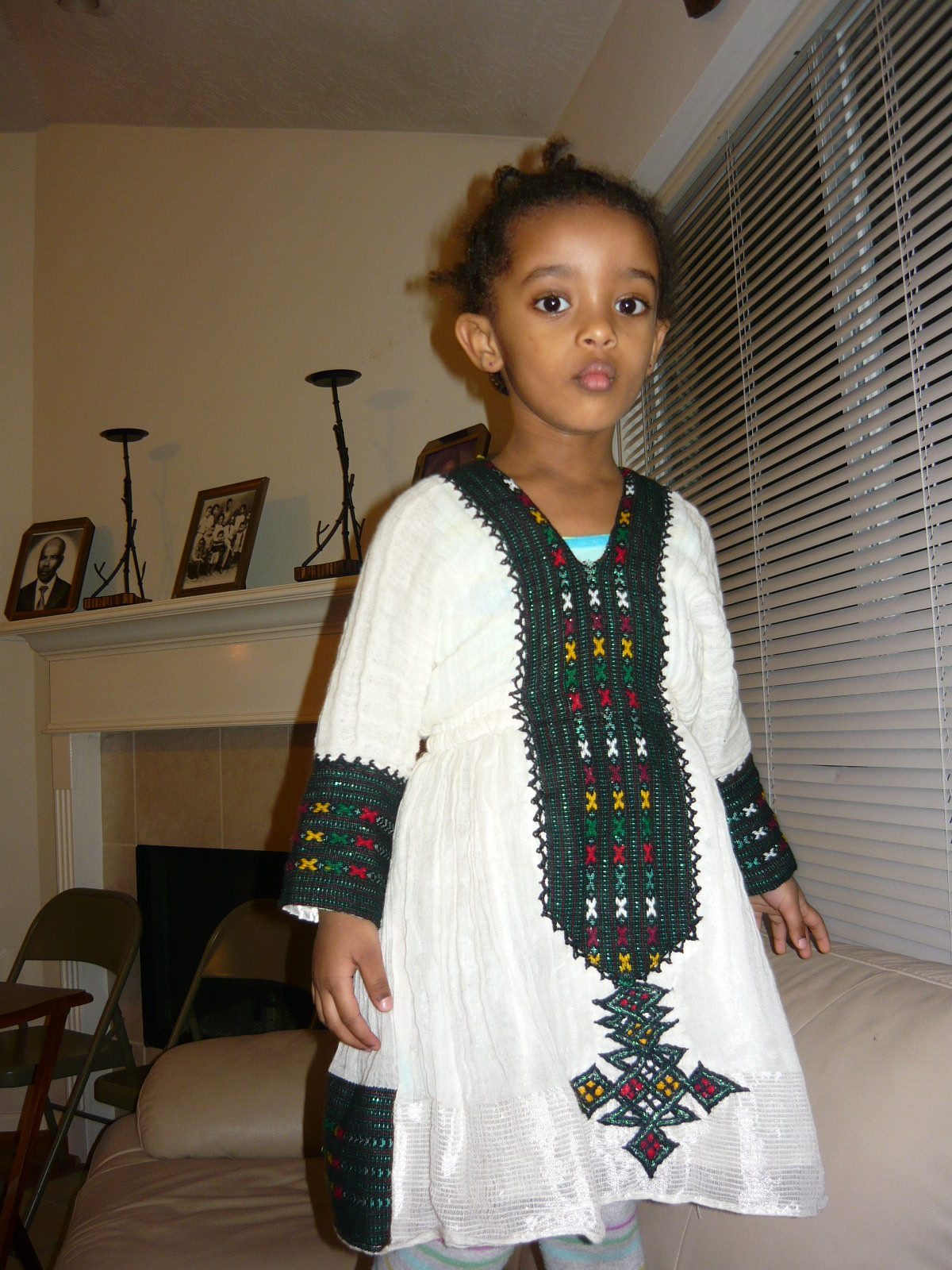
“I’m Christian, and I go to church every Sunday — an Ethiopian church — and the young people’s services are in English, but there are adults who do them in Amharic,” Surafel said. “That has opened up a world of connections for me to keep my culture close. On holidays, we wear our cultural clothes, and it’s kind of that community that helps me stay close to my culture while also living in America.”
Moreover, Surafel has found places to celebrate her heritage within school walls, such as the Bellaire International Student Association (BISA), East African Student Association (EASA) and Black Student Association (BSA).
“I love the concept of BISA,” Surafel said. “I think it’s awesome — even though I’m not a good dancer and I have two left feet — the dances, the fashion shows and the cultural wear. Also, BSA merges all of the Black cultures, whether it be East African, West African or even Caribbean, and I think that’s a beautiful union.”
Despite all of these positive experiences, there remain specific downsides to being Ethiopian in America. Surafel has observed that some of her family members experience difficulty in reconciling Ethiopian culture with American culture.
“It’s not difficult for me necessarily,” Surafel said. “But there are some people, like cousins and my sister because she doesn’t speak Amharic as well as me, who think that they’re too American for the Ethiopians, and then too Ethiopian for the Americans. And then there’s more nuance to it, because there’s Black American cultures that get confusing, and it starts to blur a bunch of lines.”
Additionally, as a second-generation immigrant, Surafel has felt pressure from society and her parents to excel in academics.
“It’s stressful to think about all the sacrifices that they made to come here,” Surafel said. “They don’t have to be here. They didn’t know the language when they came here, they didn’t know the culture, they didn’t know anybody — and they came across an ocean to give me a better opportunity. And when I do bad, it kind of feels disappointing to them because I’m literally wasting their lives.”
Being of Ethiopian descent, Surafel has also experienced discrimination within the Black community.
“I’ve heard people tell me that I’m not Black just because I don’t fit a certain demographic of a Black person, or of what Black people are supposed to be,” Surafel said. “People just don’t consider us Black because we’re mixed. I think people need to be kind to one another, because you don’t know someone’s heritage.”
Affected by both the challenges and the fulfillment of being a second generation Ethiopian immigrant in America, Surafel has come to the conclusion that while cultural acceptance has come a long way, more can still be done.
“I think America in general has made this great switch from complete xenophobia to starting to appreciate other cultures, instead of just looking down on them,” Surafel said. “But I feel like in the Black community, we are from the same place — we all originated in Africa — and I feel like Africa in general needs to step up on their unity.”


Ayana Khan • Apr 20, 2026 at 9:11 am
I love this story!