
Red Bird Productions (RBP) is going to attend the Texans Thespians Festival from Nov. 14 to 17 in Corpus Christi, Texas, where both actors and technicians will be competing.
Texas Thespians is the largest national chapter of the Educational Theatre Association, which provides opportunities in the theatre industry for both middle and high school students through college scouts and scholarships. First year Red Bird Production director Robert Ballew and fellow RBP director Adrienne Carter have been working to prepare the students to compete in their national qualifying events. Thespians has a total of 21 national qualifying events, including acting, singing and technical theater.
“There are scholarship opportunities, college acceptance opportunities, national events, chances to make connections with colleagues and fellowships,” Ballew said. “I’ve never had less than seven national qualifiers.”
Last year, Bellaire had 12 national qualifiers. According to Ballew, the company is striving to continue that trend. All of the company members registered to attend are signed up for at least one qualifying event, including monologues, duets and play writing, where students must prepare their scenes, songs, or scripts before the festival. According to Ballew, Thespians can revolutionize a student’s theater career, and give students so many opportunities to learn from the thousands of students who attend the festival.
“I look forward to it every year,” Ballew said. “It is the largest gathering of high school theater folks in the world. There will be 8,000 people at [this year’s Thespians].”
Being new to Bellaire came with new challenges for Ballew. Despite issues with registration and general organization, Ballew said he believes the theater company will succeed.
“It’s been difficult at times, and very rewarding at others,” Ballew said. “If the talent they’ve shown me is consistent with what they have shown, then they’re going to be successful at everything.”
To ensure the success of the students, Ballew helps them with their scenes, monologues, and songs. He focuses on individualized constructive feedback to ensure actors can reach their full potential.
“We split the time in the week with prep for convention and regular lessons. The regular lessons build on what [RBP members are] doing for Thespians. I give direct instruction, have meetings and conversations and sometimes use email to communicate with students,” Ballew said. “The craft of theater can be taught in multiple ways. Be willing to listen to people telling you how you are doing, and be flexible with the direction you get.”
2024 National Playwriting Qualifier and junior Kalyani Gifford has been practicing in class with the directors and her peers in order to prepare for the festival.
“I’ve been working on my monologues recently,” Gifford said. “The chance to spend the time allotted in class has given me a clearer understanding of my characters and motives through the scenes.”
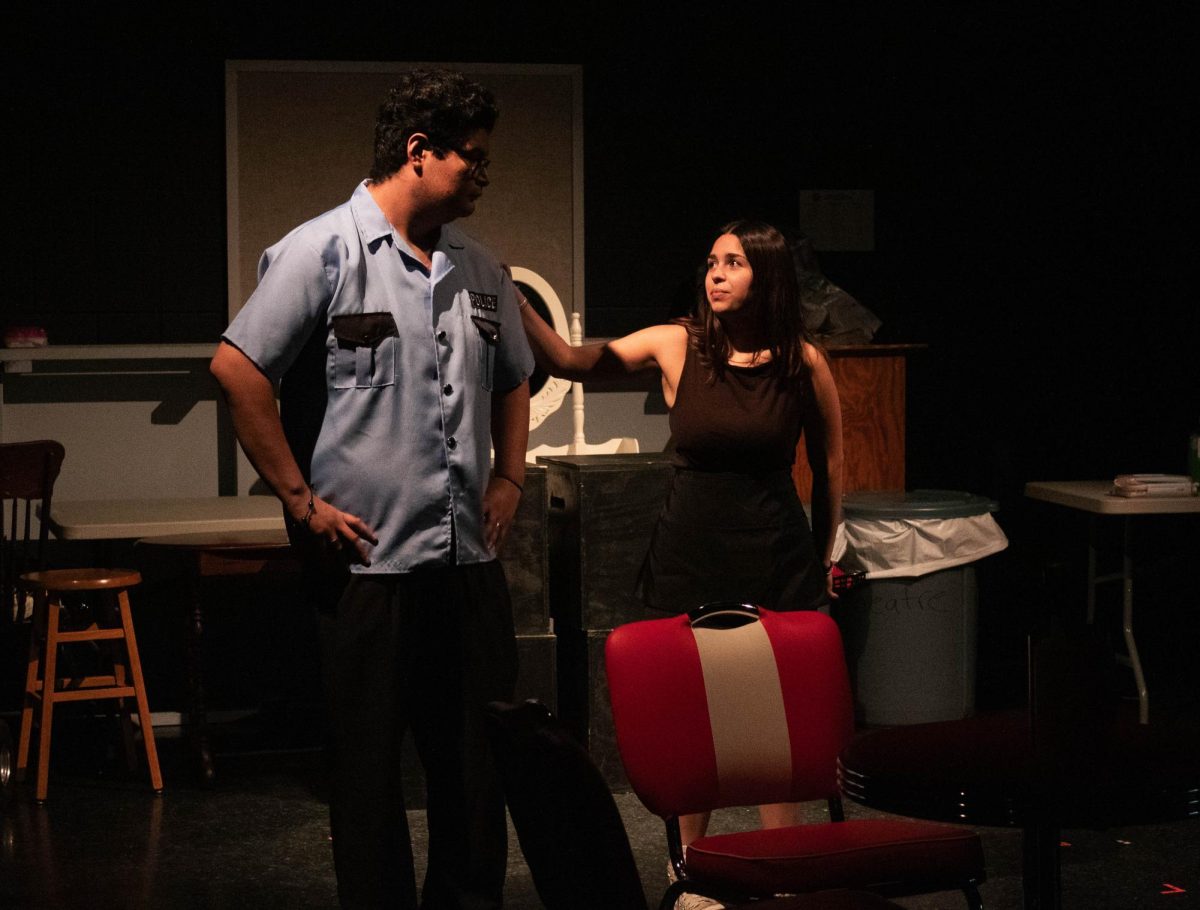
RBP has several duet acting scenes competing between both the JV and varsity classes; however, students also pursue other events as well. Aside from competing in their duet, juniors Eden Wilson and Sierra Little have made their own short film to submit to the competition.
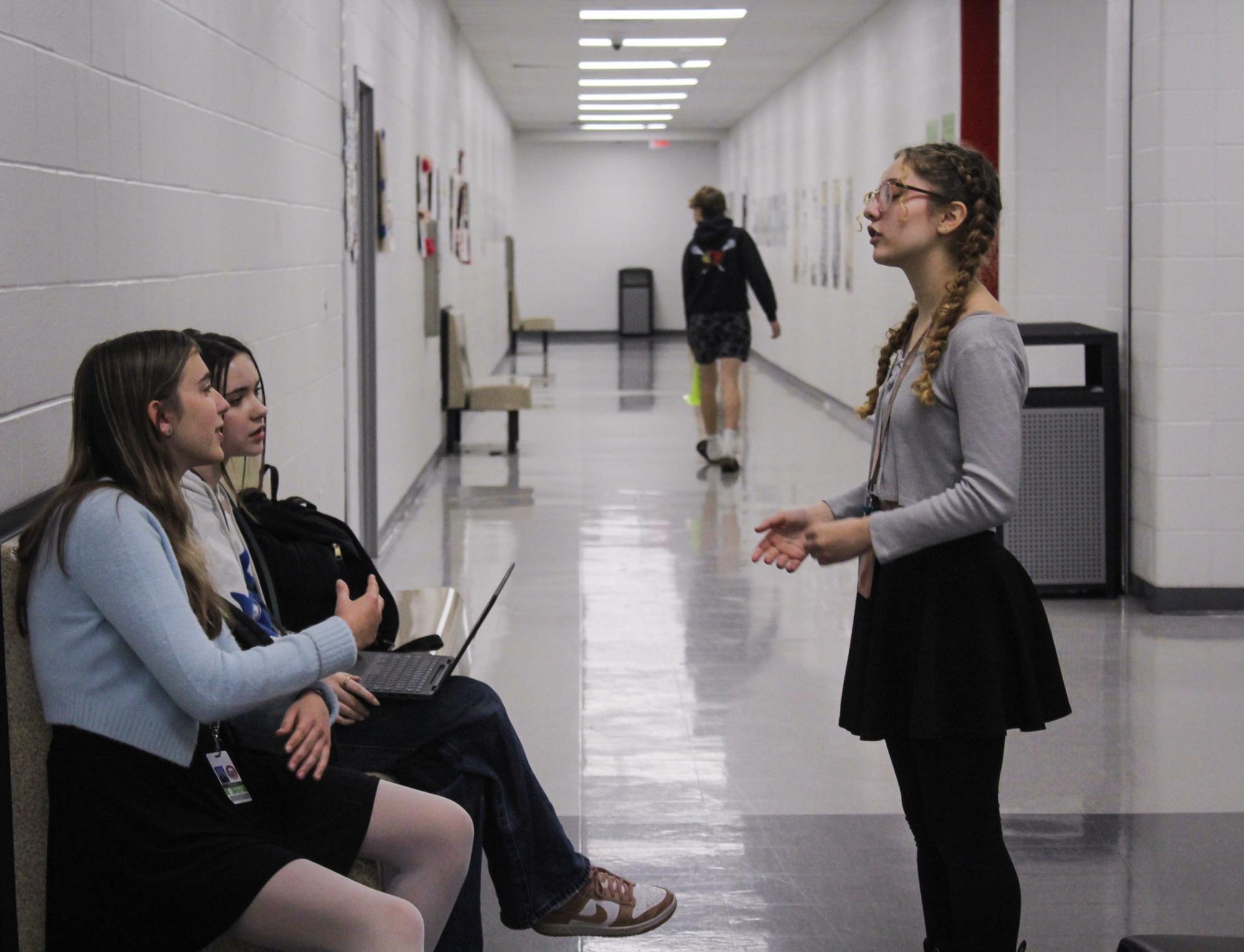
“Wilson and I filmed multiple short films after school and edited them on our own time. We also spent time outside of school working on our duet scene,” Little said. “We did characterization work: lots of asking each other questions about how we relate to each other and what our lives are like. We have character documents where we keep track of new information that we come up with, and we’ve worked with Ms. Carter on how our written work translates into our acting.”
Wilson believes that the directors are primarily guides to aid the creative process. Wilson and Little blocked, cast and established character dynamics themselves before seeking guidance from the directors. This autonomy to stage their own scenes allowed company members to assume the roles of directors. Students get to pick, stage and set the scene for their own performance.
“For Thespians, much of it is self guided. While the directors do help guide the process, they are not as hands-on as they would be in a show,” Wilson said. “The most valuable thing I have learned from Thespians is time management and independent learning. This helped me grow as a director, actor and writer because of the experience I am gaining.”
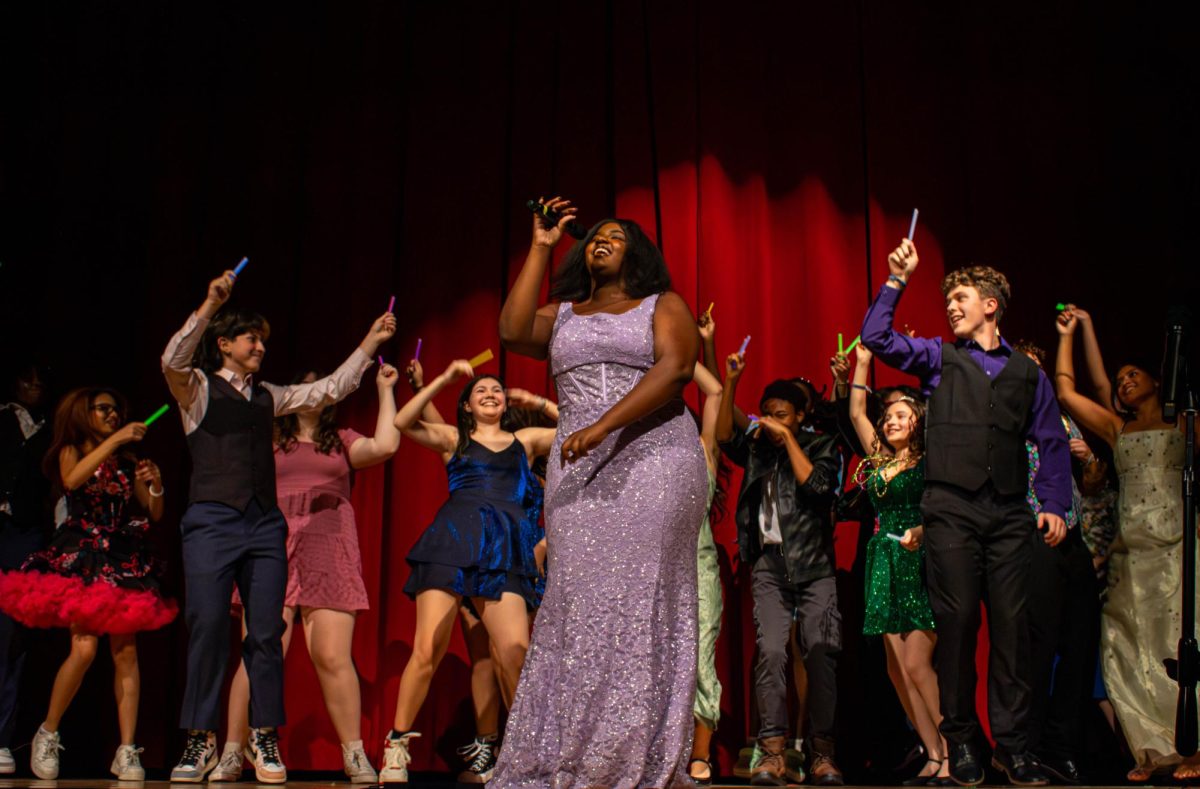
Alongside the hundreds of workshops and competitions offered, Thespians also has a lip sync competition, specific to Texas, where students choose songs based on a theme and combine lip syncing and dancing. Seniors Helen Truitt and Camila Chandler are currently leading the lip sync team.
“The story starts with the two girls in the 1920s who can’t act on their love, and it travels to 2020, where they get married and live the rest of their lives together,” Truitt said. “Even in the silliness of lip syncing, it’s important to tell a story that means something.”
Truitt emphasized that they drew ideas from musicals to portray the ideas of being one’s self, despite attempts to suppress it.
“We were inspired by Chicago the Musical. Our plot starts with the two lead characters as showgirls in the 1920s,” Truitt said. “Many members of RBP are queer, and we wanted to represent that. I feel like this plot is really important, especially now, and it’s special to our troupe.”
Truitt took RBP’s diverse student body into consideration when creating the idea for the lip sync, and sought to create an impactful idea. The rubric for the lip sync states that the performance must include a story line, with a clear beginning, middle and end. It must take the viewers on a journey despite the comical nature of lip sync.
“Even though lip syncing is silly, we wanted a meaningful message,” Truitt said. “This year’s story is more complex — last year was just a basic love story, but this time it’s deeper.”
As each day passes, the competition comes closer. Carter has been working closely with several students to help them prepare their performance pieces, focusing on deep character work and self-understanding.
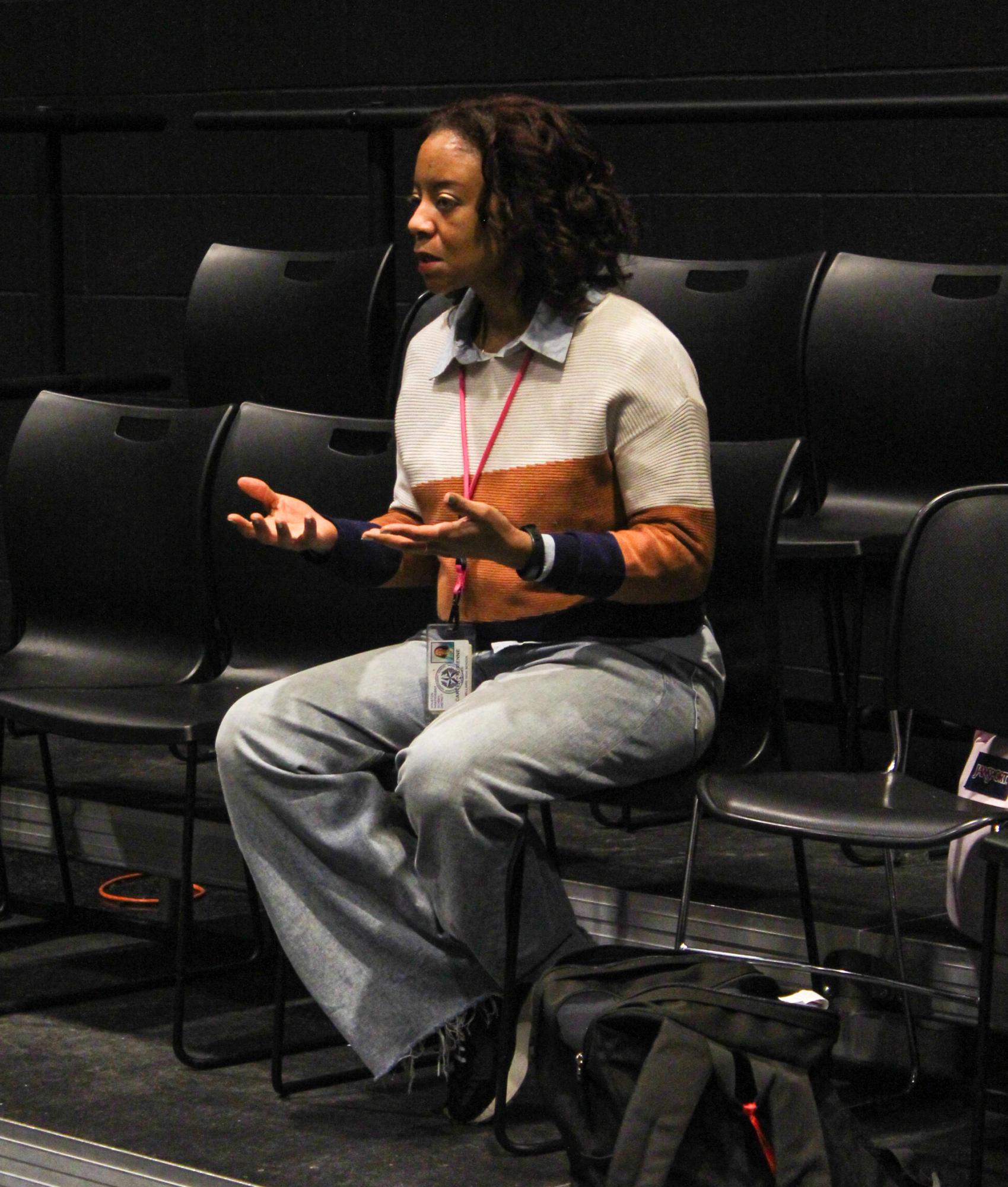
“The main thing I did was work with some of the students, on their scenes and monologues, who were going as performers,” Carter said. “[I would be] just giving feedback and asking a lot of questions about their characters to make sure they get a sense of the ‘Who am I?’, their objectives and to make sure they feel comfortable about the work they’re presenting.”
Carter explained that she asks students to consider their character’s age, background, time period and environment to create authentic performances. By asking these questions, she challenges her students to think about where their character is, what they want and how they act to achieve it. Since then, she has seen a noticeable growth among her students. By encouraging students to analyze, question and embody their characters to their full potential, Carter hopes to prepare them not only for Thespians, but for a lifetime of storytelling.
“Students feel more confident because they understand who they’re playing. It’s not them, it’s the character, ” Carter said. “The more you understand your character, the more truthful your performance will be.”