
My name is perfect.
The E and I balance out the M, so it is just even enough, but still a bit odd. “Emilyn” is a light teal color, the same shade as the number three and a circle, something decided the moment I learned my own name. It makes sense in an unexplainable way.
Synesthesia makes certain things make sense to no one but me.
Synesthesia is a harmless neurological trait in which one of the five senses, sight, sound, touch, taste or smell, triggers another. These unique individuals make up roughly 2-4% of the population. For some, letters have sound. For others, music notes have scents.
There are more than 100 types of synesthesia, but mine centers primarily around letters and numbers. I have at least 10 kinds: colored sequence, stimulus parity, concept-shape, stimulus-dichotomy, tactile-visual, sound-texture, auditory-tactile, grapheme-texture, grapheme-color and grapheme-shape. Most of them overlap — everything is connected somehow. My name is a part of one of my favorite “webs,” as I call them, containing the letter E, the number three, circles, odd numbers and light cyan. Each strand reinforces the rest, strengthening bonds that can never be broken.
Most associations are decided from the moment you learn what the subjects are, and once a connection forms, it stays with you your entire life. But connections are not just set up from when you are born — they can also be influenced by childhood experiences. One of my favorite picture books as a toddler was “Giant Pop-Out Shapes.” In the book, the oval was indigo, an association that still remains to this day.
For years, I assumed everyone experienced the world this way. I assumed everyone silently agreed that letters had their own unique textures and appearances. When explaining how my peers argue over whether math was red or blue to my mom, I brought up that I also associated colors with nearly everything else. When she mentioned that I was likely a synesthete, I immediately insisted that connecting everything to colors was universal, that everyone viewed the world like I did.
I couldn’t believe that this essential part of my life was an actual trait. When I looked up what synesthesia was and saw example after example mirror my life exactly, I was stunned. It had never occurred to me that most people saw things as they were, no “webs” or associations.
Once I had a name for it, I started noticing the patterns more deliberately.
My most dominant form is grapheme-color synesthesia, which is one of the most common forms. With this, colors are associated with graphemes or written symbols, and these colors are perceived when the symbols are seen or thought of. Many symbols have more than one color, making them ambiguous when put together.
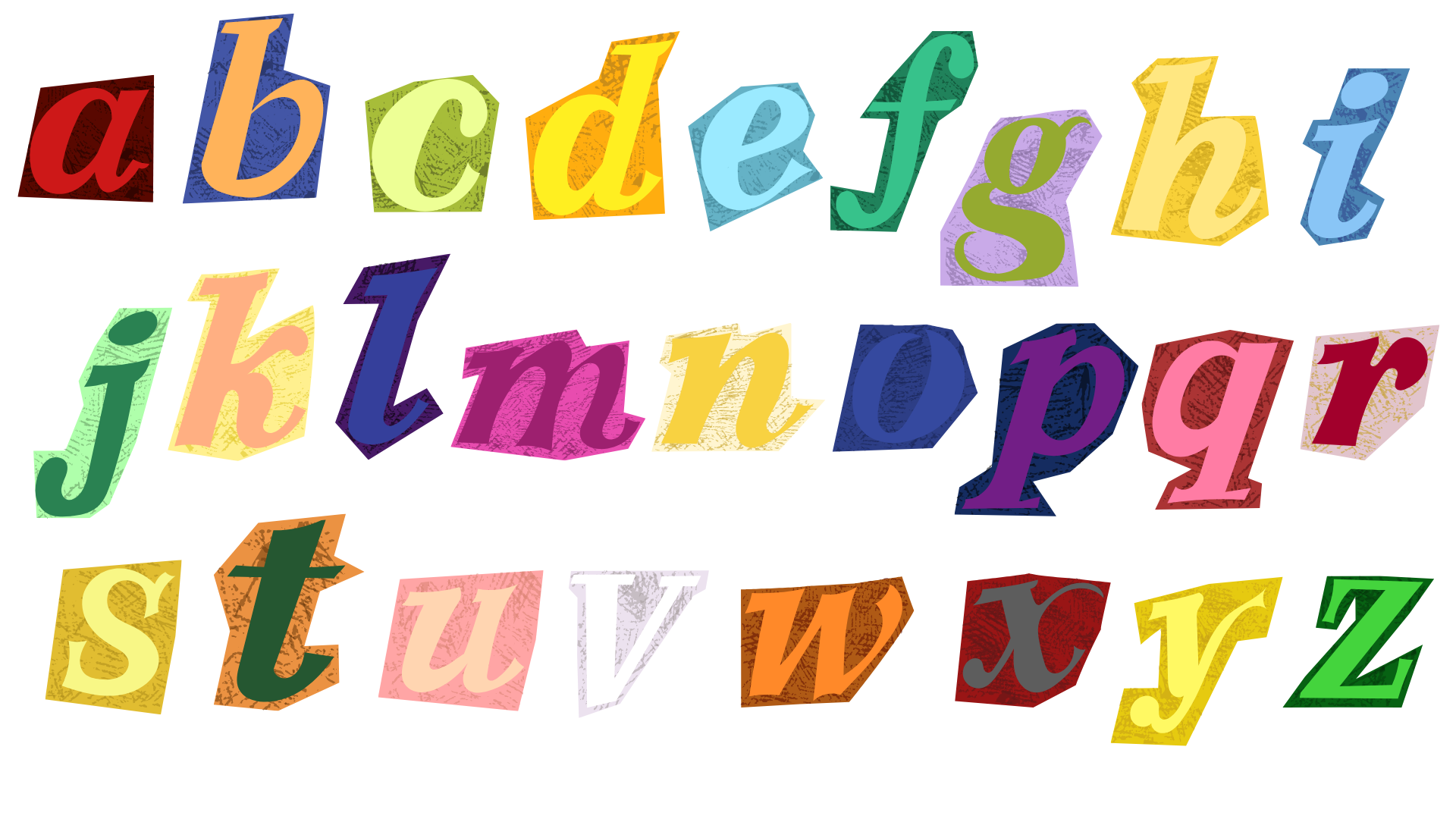
My synesthesia is one of my favorite things about myself — I see it as a sort of memorization tool. When I was in first grade, I memorized the multiplication table faster than most of my classmates because it all just made sense. Four was dark blue, and eight was orangey-red, so 32, of course, was a mix of both.
Memorizing vocabulary, historical dates and even locker combinations becomes easier when everything visually aligns in my mind. The sequence of 28-31-23 was so much simpler when all I had to remember was dark red and bright blue.
While synesthesia enhances my memory most of the time, it can also complicate things. If something doesn’t align with its preset characteristics, it takes longer for me to memorize. I still struggle to memorize my brother’s phone number because it just doesn’t line up the same as my parents’. Information must match its internal code, or else it feels like I’m trying to fit a square into the circle hole.
Though some synesthetes might find it irritating, fascination and curiosity are my favorite parts of having synesthesia.
Whenever I explain what synesthesia is, the first question is usually “What color is my name?”
Honestly, I’d ask the same. Names are especially vivid for me, particularly because of their unique sequences and order of the letters. Each person’s name has their own unique color or set of colors, influenced by both their appearance and their personality. Two people with the same name won’t be the same color, because they’re not the same person.
One of my best friends, Emily, has nearly the same name as me — all she’s missing is the N. But that one difference makes her a lighter blue, more odd and a rounded square instead of a circle. Her bright personality makes her name a pastel pink with sprinkles of sky blue.
Sometimes, though, I envy other synesthetes. My forms are relatively common, but rarer types almost sound magical. The two I wish I had the most are auditory-gustatory (sound-taste synesthesia) and projective personality-color synesthesia (aura synesthesia). I’ve wondered what my favorite songs would taste like, if they’d taste like lollipops or watercress or even sweet jelly with sour granules.
Synesthetes with personality-color synesthesia can see colors around people’s heads or bodies, influenced by the person’s personality or current emotion. This is interesting not only because it is one of the few kinds of synesthesia that involves physically seeing, but because it allows for heightened emotional sensitivity.
Synesthesia is not always about flavorful music and emotion sensing; it can be so much more depending on the person.
Synesthesia is a gift I find natural but many would love to learn how to experience. It shapes how I organize the world and influences how I experience things around me. No two synesthetes will ever share the exact same connections. Just like how one person may see the glass half full, another could see it half empty. There are infinite ways to see the world, and we’ve only explored a few.
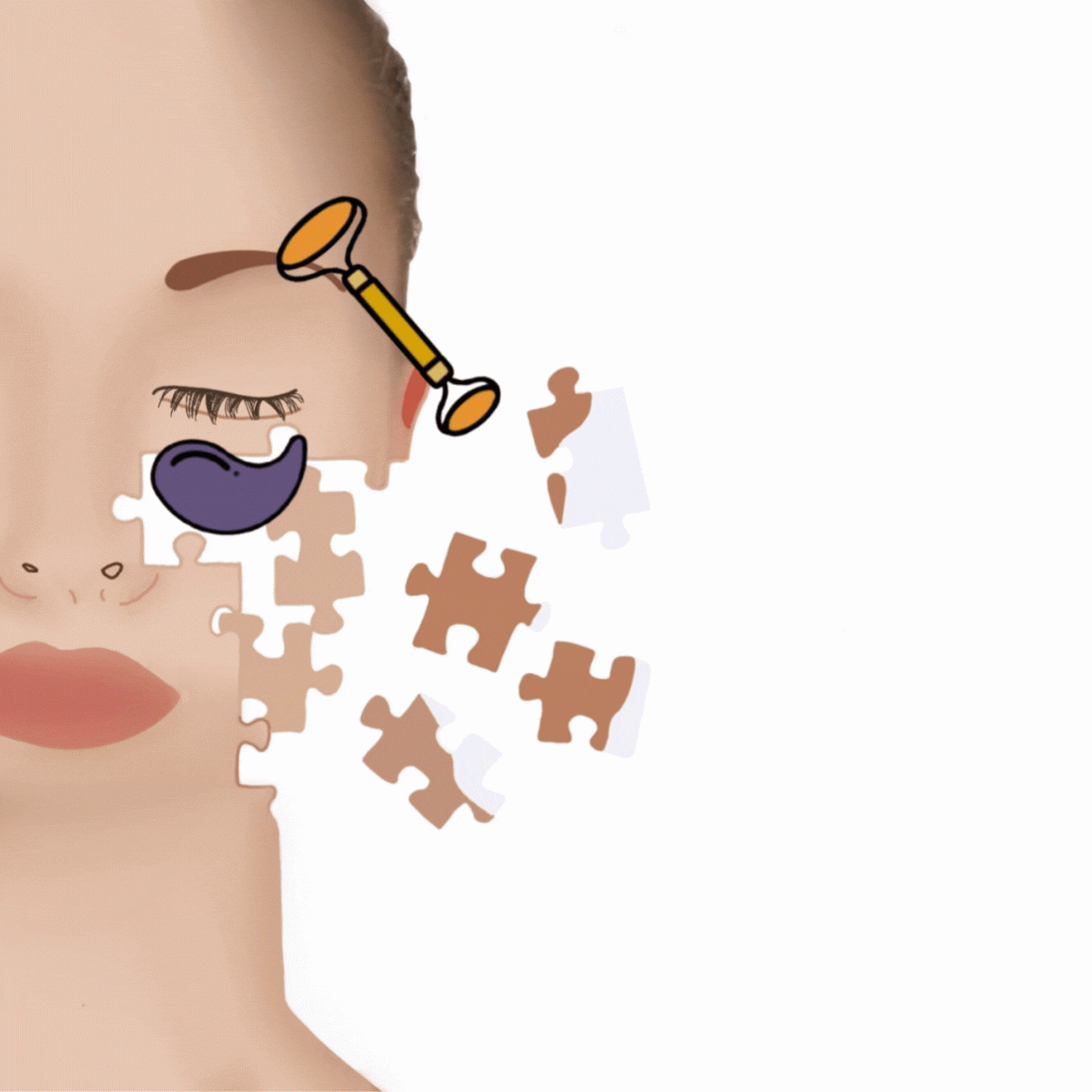
My name will always be perfect. Light teal, slightly odd, just right in a way that only I can see. Synesthesia provides me with a particular perspective that the world fits together, my own jigsaw puzzle for me to solve. No two minds are wired the same.
Synesthesia or not, everyone has their own light teal. A sort of private logic that makes the world click into place, something that is entirely and utterly your own.

Rosalie Navarro • Apr 20, 2026 at 11:45 pm
Amazing Story! Love the multimedia!
Maximus Bui • Apr 19, 2026 at 10:25 pm
such a niche topic, loved reading this story!
Zoe Novak • Apr 16, 2026 at 1:41 pm
Really interesting story! I’ve always found synesthesia super interesting! Thanks for writing!
Catherine Xue • Apr 13, 2026 at 1:42 pm
Amazing job Emilyn!
Madison Bass • Apr 18, 2026 at 4:30 pm
Wow! This is such a cool topic and the writing is crazy good!
Audrey Li • Mar 10, 2026 at 10:00 pm
bro this is so cool
Emily Leong • Mar 10, 2026 at 5:13 pm
WOW this story was really good! Hearing more about synesthesia and your experience with it was so cool!
Alav • Mar 9, 2026 at 1:21 am
This is a beautiful story Emilyn!!!