


Eighty-one years later, and we still remember it.
Eighty-one years, 6 million Jewish lives, about 40 million total refugees, and we still care.
Though junior Sierra Little was not alive at the time of the Holocaust, her great grandparents’ experiences during the Holocaust have significantly shaped her understanding of perseverance.
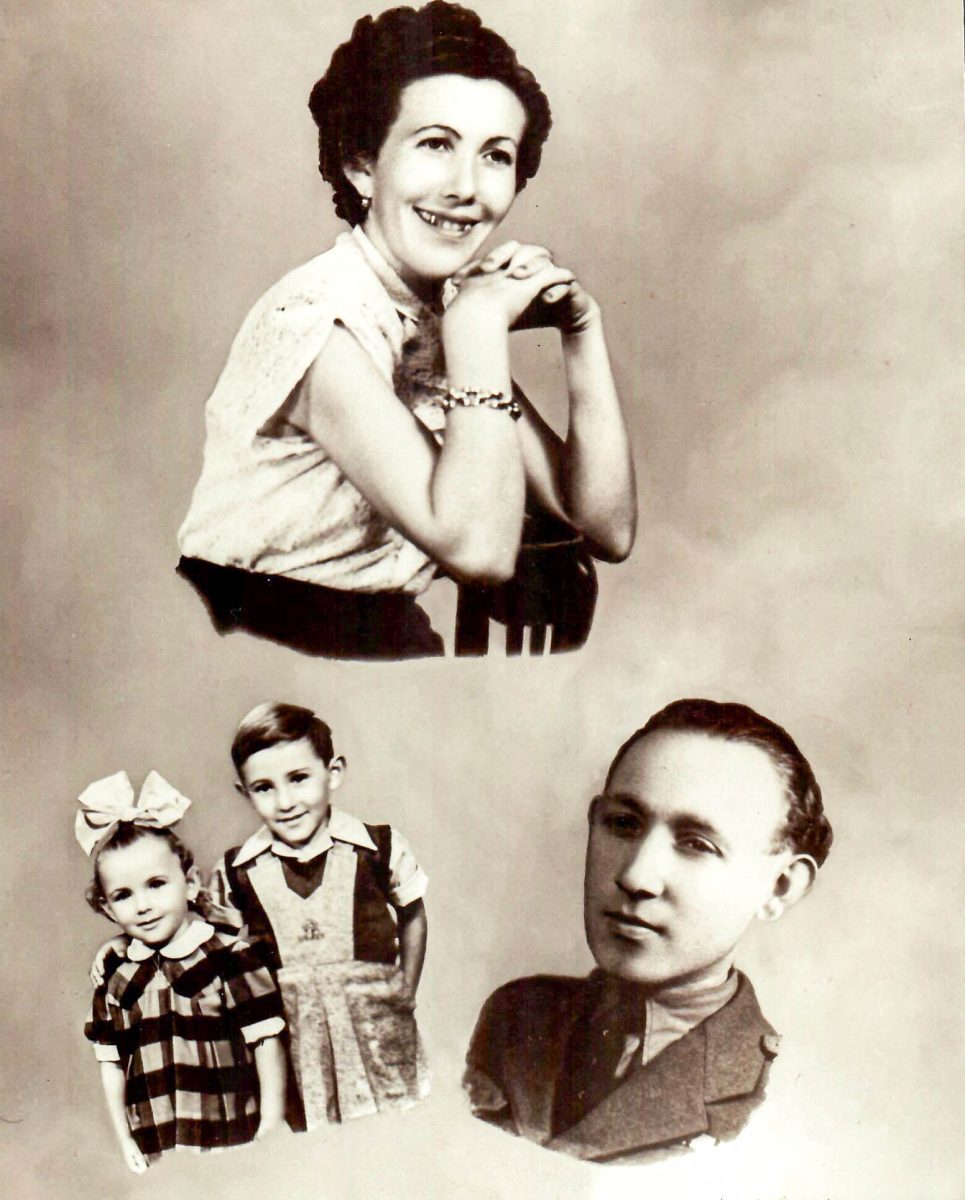
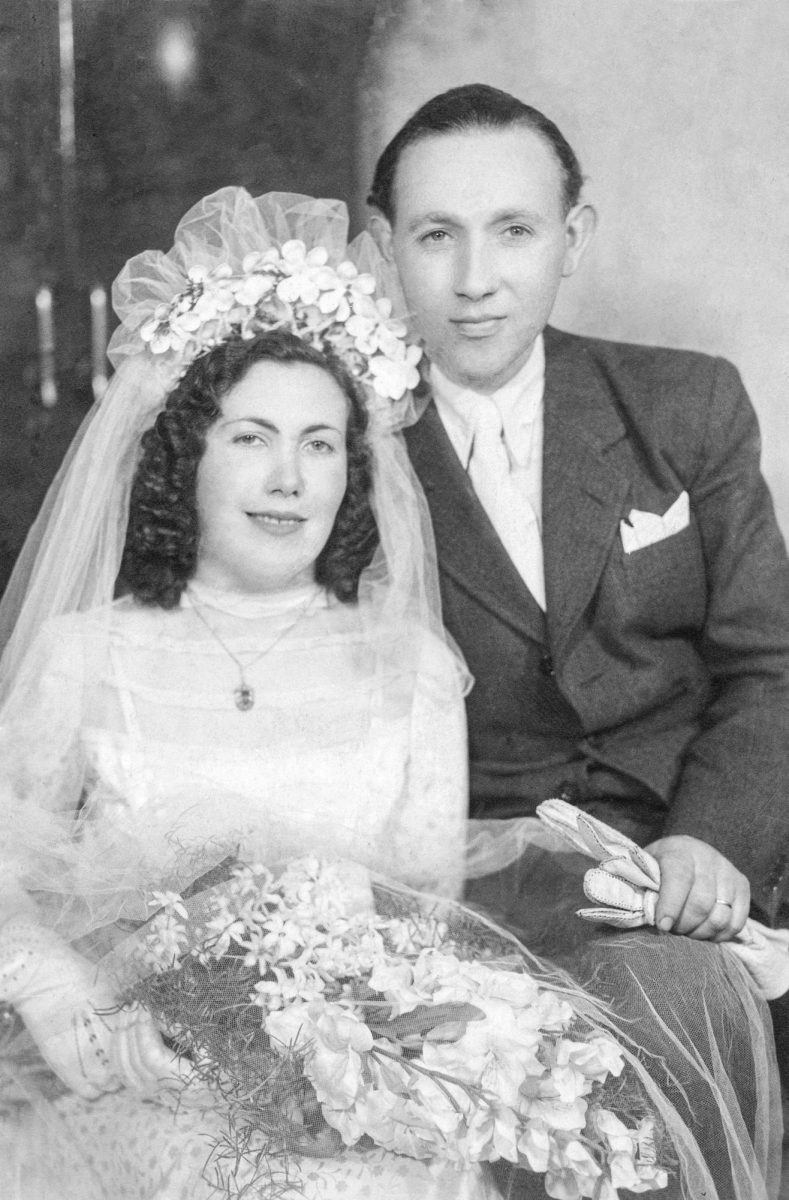
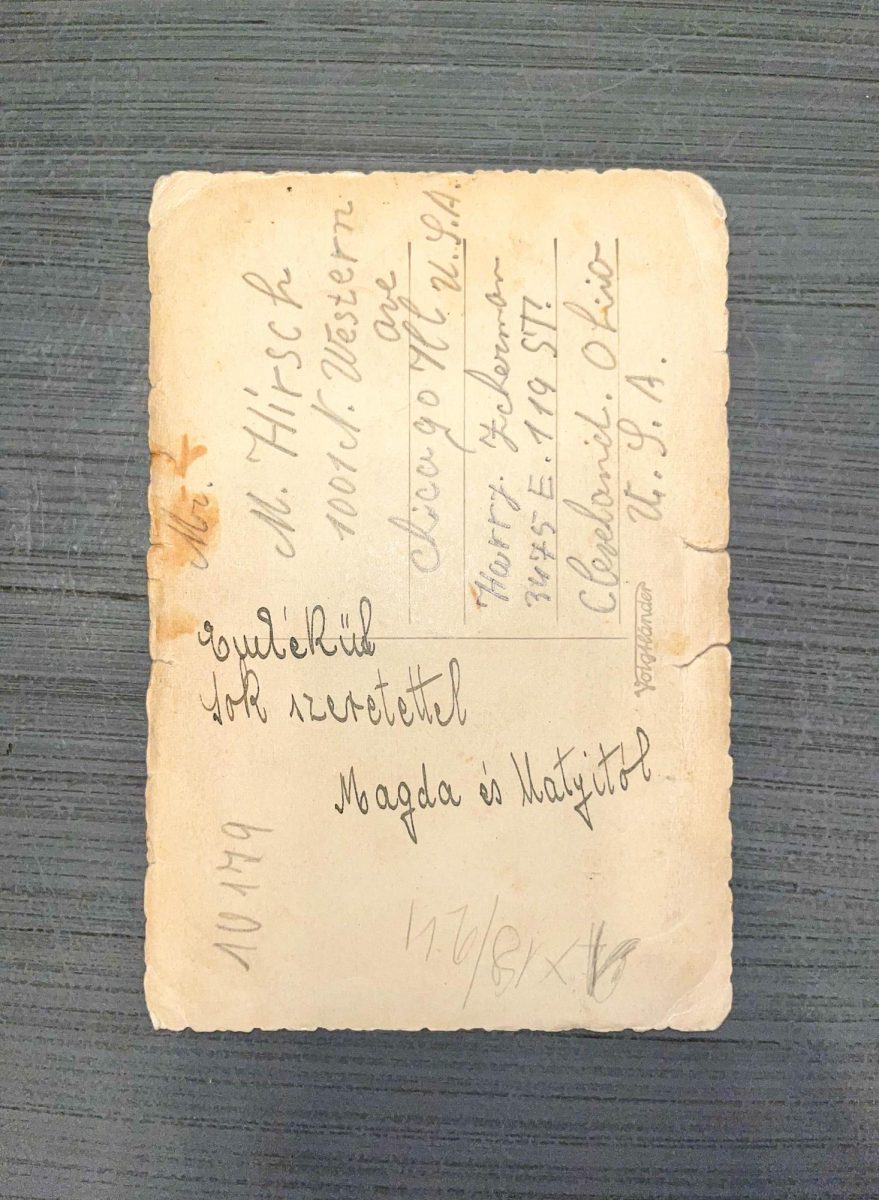
Little’s great grandparents, Max and Magda Hirsch, were living in Prague, Czechoslovakia, when World War II began. Max Hirsch was serving in the military as a baker when he and his battalion were captured and transported to and from different concentration camps.
“Before he was captured, he saw my great grandmother and told her to go back to Budapest, where it would be safer,” Little said. “He was wrong, and the Nazis captured Magda Hirsch and sent her to Auschwitz as well.”
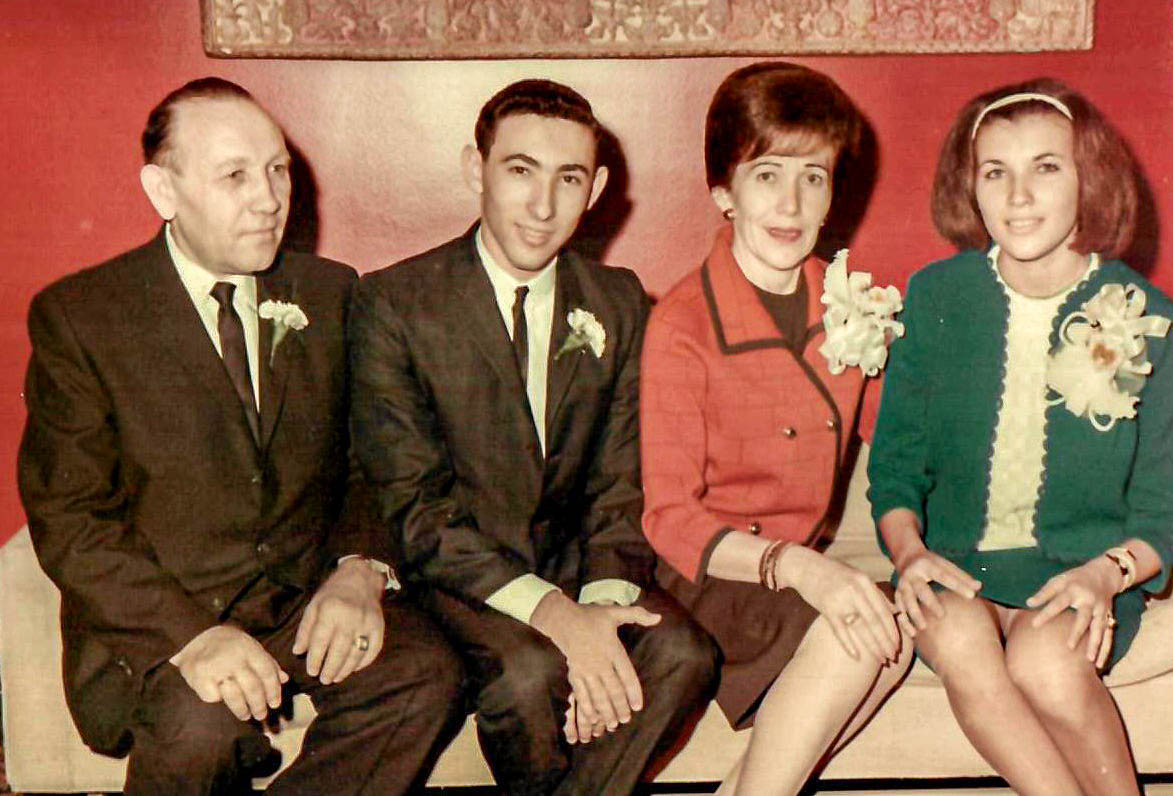
Both Max and Magda remained there until the liberation of Auschwitz and Birkenau on Jan. 27, 1945. After the war, Max and Magda Hirsch moved back to Prague, and in 1947, Tom Hirsch, Little’s grandfather, was born. Despite the conditions they endured, they attempted to continue life as it was before the war.
“I respect my great grandparents for how hard they fought to stay alive,” Little said. “Even though a significant part of the community around them was struggling with depression, dejection and considered giving up, they kept trying to survive.”
They kept persevering and eventually moved to Israel in 1949, only one year after it became an established country. The family made this step forward when Tom was two years old, and his sister, Martha Hirsch, wasn’t born yet.
In order to pursue better economic opportunities for immigrants in the United States and avoid the mandatory conscription to the Israeli army for the children, the family entered a lottery to win visas to move to the United States. They won and arrived in Chicago in 1960, where Max Hirsch opened up a restaurant called Max’s, moving past the war and entering into a new era of their lives.
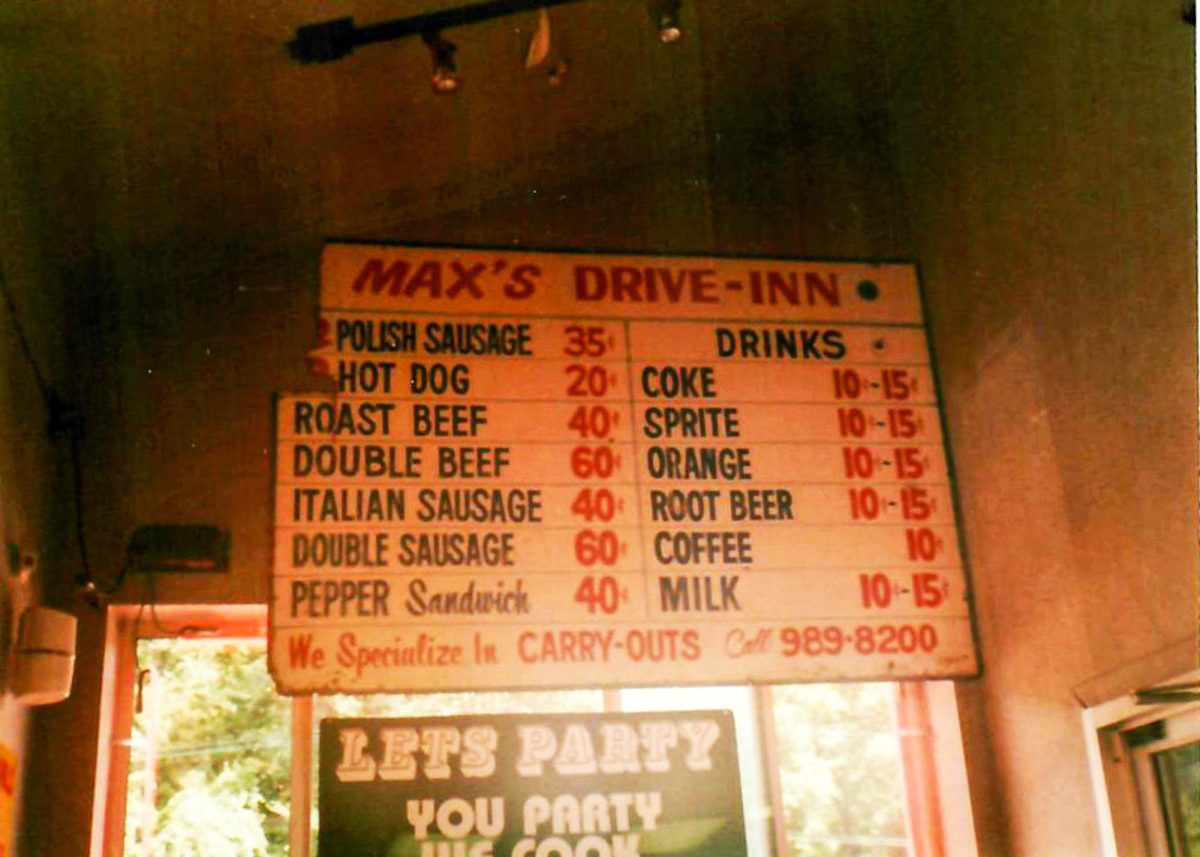
“He didn’t talk about the camps much,” Little said. “I think after they moved to Israel and then Chicago, they opened up more about their experiences but still hardly talked about the war.”
From their travels, Max and Magda Hirsch were exposed to a myriad of global cultures, ranging from German to Israeli to Hungarian. However, they made efforts in their day-to-day lives to become quickly accustomed to American culture.
“Max and Magda Hirsch spoke more than six languages each, with Max speaking Czech, Hungarian, Polish, Russian, Hebrew, Yiddish, English and some German,” Little said. “However, when they first got to America, they wanted to speak exclusively English so that the kids could assimilate quickly.”
Max and Magda Hirsch’s time in Auschwitz, though a central part of their lives, was something that they tried to leave behind them. According to Little, her great grandparents actively tried to avoid confrontation with their past during the Holocaust, instead focusing on the new chapters of their lives in Chicago.
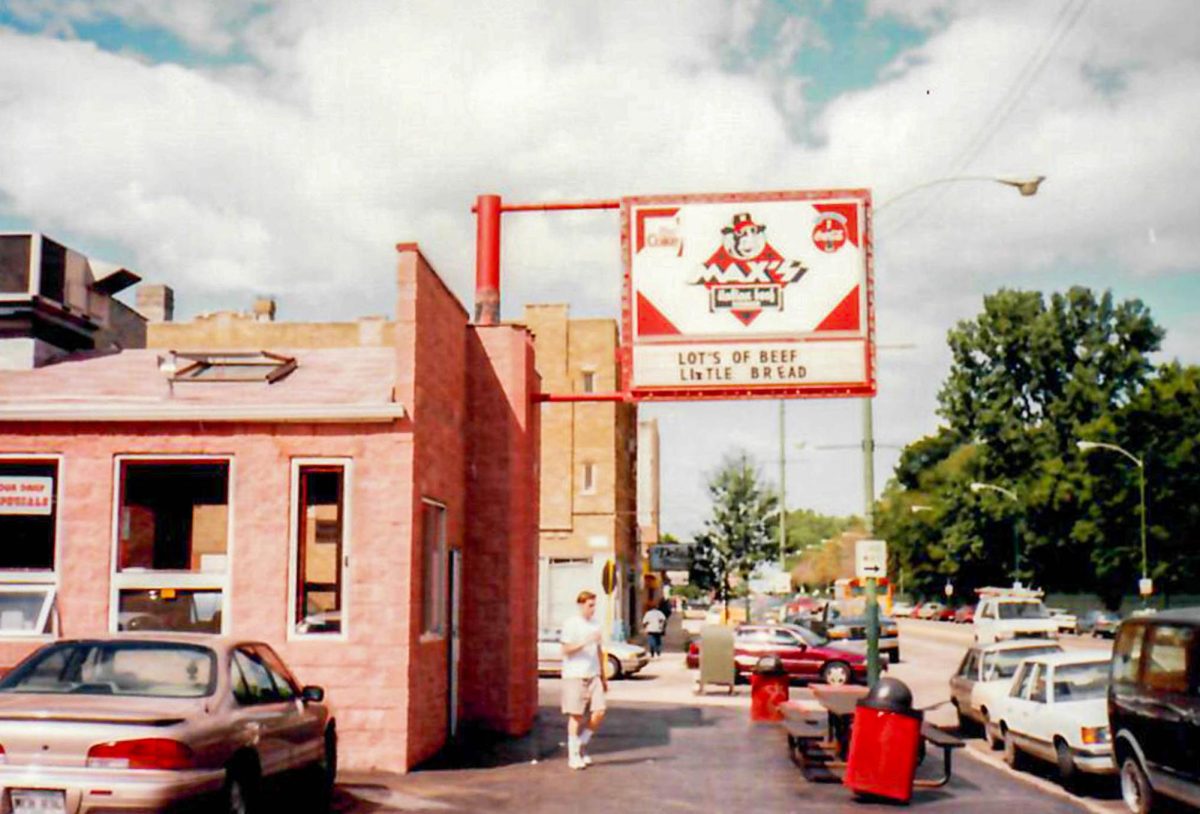
"A lot of Jewish people felt ashamed, and it was a common occurrence that they didn’t want to talk about the atrocities and the pain,” Little said. “To them, it was easier to just pretend, and I think that my great grandparents were in that category of survivors.”
Little admires her great grandparents’ stories after hearing stories of their travels. She was around 16 when she finally learned the specifics of her great grandparents' history.
“Max and Magda Hirsch’s stories are upsetting, and I personally can't imagine going through that and still being strong enough to keep going,” Little said. “I find it uplifting that although they lost a lot of their family, they tried to escape. They were able to find another life and have a new beginning. They were able to live their lives for their children and stay strong enough to not talk about it for years.”
Little’s boyfriend, senior Jacob Schwartz, explained that Judaism is a big part of both their lives, as they are active participants in community activities, like the B’nai Brith Youth Organization (BBYO), where he is a member, and programs at the Jewish Community Center. He explained that he grew up hearing family stories about the Holocaust, including the story of his family name.
“I know a lot about the Holocaust because I am Jewish and grew up hearing family stories about it,” Schwartz said. “In fact, I got my last name, Schwartz, when my ancestors used another family's plane tickets that went by the last name Schwartz in order to escape the war.”
Schwartz emphasized that he and his Jewish friends were encouraged to remember the Holocaust and to watch out for warning signs. Although, he recognizes the importance of not letting what happened in the past obscure the present.
“Today, my Jewish friends and I, even the ones states away, don't only bond over the Holocaust but rather modern antisemitism, and we share positive Jewish experiences such as BBYO and Israeli dancing,” Schwartz said. “I am so glad that Little and other people I know don’t have to consider the Holocaust as a central part of their Jewish identities, but rather more modern and positive experiences while still respecting the past.”
Sierra’s mother, Jenelle Little, put effort into learning about her Jewish ancestry. She took the initiative to learn more about her heritage by participating in 23andMe several years ago, discovering that she is 98.4% Ashkenazi Jew. Additionally, she studied Hebrew for three and a half years in college, despite her parent’s inability to speak it anymore.
“Once they moved to the U.S. my grandparents wanted my dad and aunt to assimilate as fast as possible, so they could only speak English at home,” Jenelle Little said. “They had to learn very fast. It's different from most immigrant families who speak their original language at home and English out in the world. I think if my father had still spoken Hebrew, it would have been really cool to learn it more, because it's a part of my heritage.”
Jenelle Little carried her family’s legacy through important events in her life. Little visited Prague in college, where Max and Tom were born, and got engaged there. She later visited Budapest, where Magda Hirsch was born, which gave her the opportunity to explore the conditions her grandparents grew up with.
“It was so interesting to go to the Jewish quarter and see where they lived in Prague,” Jenelle Little said. “I went to Budapest and visited where my grandmother lived and saw the ghetto they were forced to live in.”
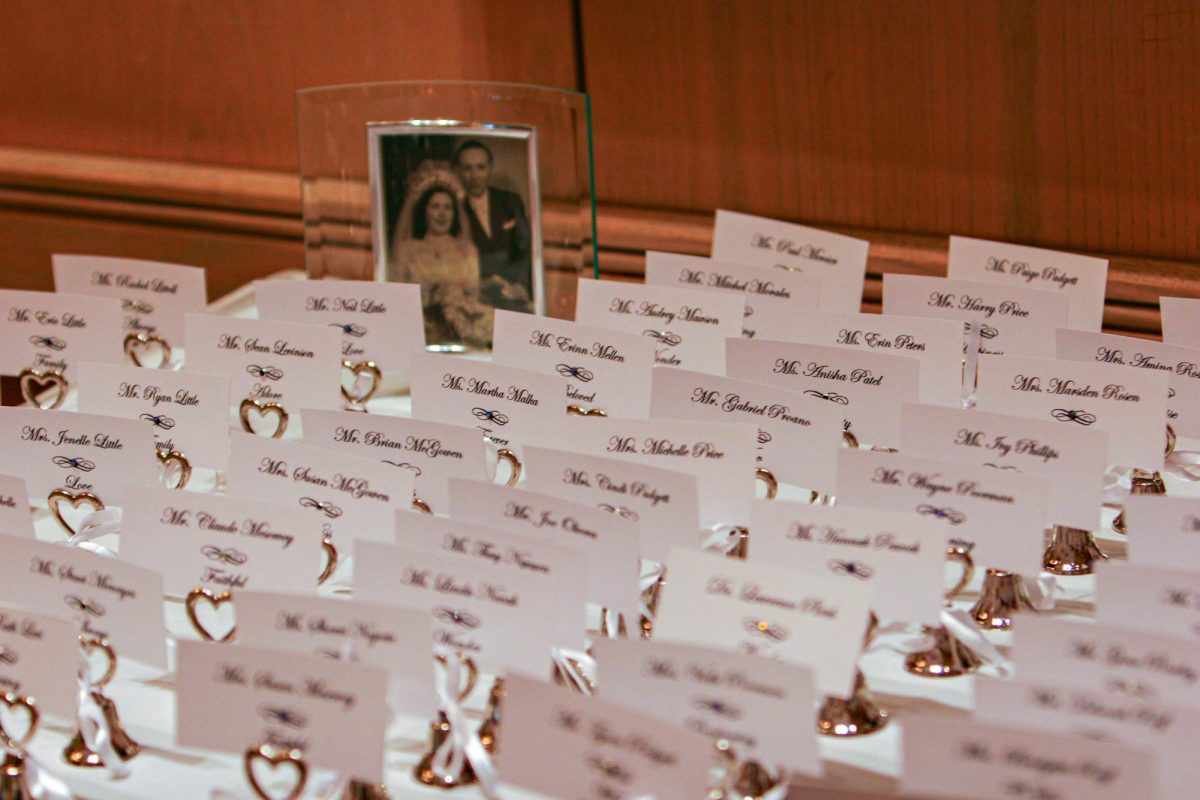
At her wedding, Jenelle Little displayed photos of family members as a way to further tie herself to her roots. Jenelle seeks to continue her family's Jewish heritage by passing traditions onto her kids and making sure that they are informed of the Holocaust. Jenelle Little and her family visited the Holocaust Memorial in Boston as a way to explore their roots further.
“The memorial in Boston is in the middle of the street, and you see these glass columns that you walk through,” Jenelle Little said. “It's impressive to see what the many numbers actually looks like written out. However, it's very emotional and impactful because you’re seeing [a list of] numbers to such a large caliber that you couldn’t read even if you spent all day at the memorial. It puts into perspective how many people really suffered in the Holocaust”
The scope of the Holocaust is shocking to Jenelle and can seem surreal. Having personal connections to the Holocaust makes the sheer impact of the Holocaust immeasurable.
“These were real people who suffered in real devastating ways, which just makes modern antisemitism that much more painful, knowing what my grandparents went through.” Jenelle Little said. “It often seems that we as a society have not learned from the past and are just perpetuating the cycle of hate and ignorance from the past.”
As Jenelle’s father is getting older, she wants to preserve his stories for her children. While he was visiting their family, the kids were given the chance to ask him questions about his life on recording. He told stories of his life among Orthodox Jews in Israel.
“He told stories about growing up in Israel and about his father,” Jenelle Little said. “He told a story about Jewish women who would come on Fridays to bake bread overnight in the hot ovens [at the bakery], even though they were off. That way, they could have bread for the holidays while not breaking the rules of Shabbat.”
Jenelle is glad that she was able to get these stories on video, knowing that the stories of so many Holocaust victims were silenced with the war.
“It’s scary knowing that [Max and Magda Hirsch] were there and could have easily been another name on a memorial if the coin had landed that way,” Jenelle said. “The fact that they both survived is pretty incredible, and I feel grateful that they did live. It's horrifying that someone else doesn't exist because the coin flipped one way, allowing my grandparents to survive.”




naomi • Feb 16, 2026 at 3:05 pm
This is so touching!
Emily Brams • Feb 15, 2026 at 10:47 am
Incredible story to write!
Alav • Jan 27, 2026 at 9:03 pm
Great story Ava!